
Layan verde bang tao layan case study
What this page covers
Layan Verde Bang Tao Layan case study
Layan Verde is a resort real estate development in Phuket’s Bang Tao and Layan area, with architecture by Dewan Architects + Engineers and a managed resort-style concept.
This case study reviews the project through buyer-focused signals: location context, residence mix, resort infrastructure, rental-management considerations, and construction progress reporting.
In brief
- Layan Verde sits within the wider Bang Tao, Layan, and Cherng Talay demand zone, an area many overseas buyers research for beach access, lifestyle, and rental-use potential.
- The project is described as an eight-hectare resort development with condominium residences, larger apartment formats, penthouses, and resort infrastructure, not a simple standalone condo building.
- For off-plan buyers, useful proof signals include dated construction updates, site photos, and specific progress metrics such as pile counts, completion percentages, and excavation volumes.
What to do
Layan Verde’s positioning is based on scale, design, and resort-style living in Bang Tao. Official project materials describe bionic architecture by Dewan Architects + Engineers, landscape input by SHMA, and a hospitality layer connected with Dusit International.
From a buyer’s perspective, the project is best reviewed as a mixed resort residence ecosystem, not only as a standard condominium. Available materials describe an eight-hectare site in Bang Tao with multi-building condominium residences, broad amenity infrastructure, green-building positioning, and managed on-site services.
Unit choice should be compared by bedroom count, usable area, layout, view, pool or terrace format, ownership structure, furnishing level, and intended use. Public listings have referenced larger three- and four-bedroom examples, but buyers should verify current availability, pricing, terms, and legal documents through official channels before relying on listing data.
What to keep in mind
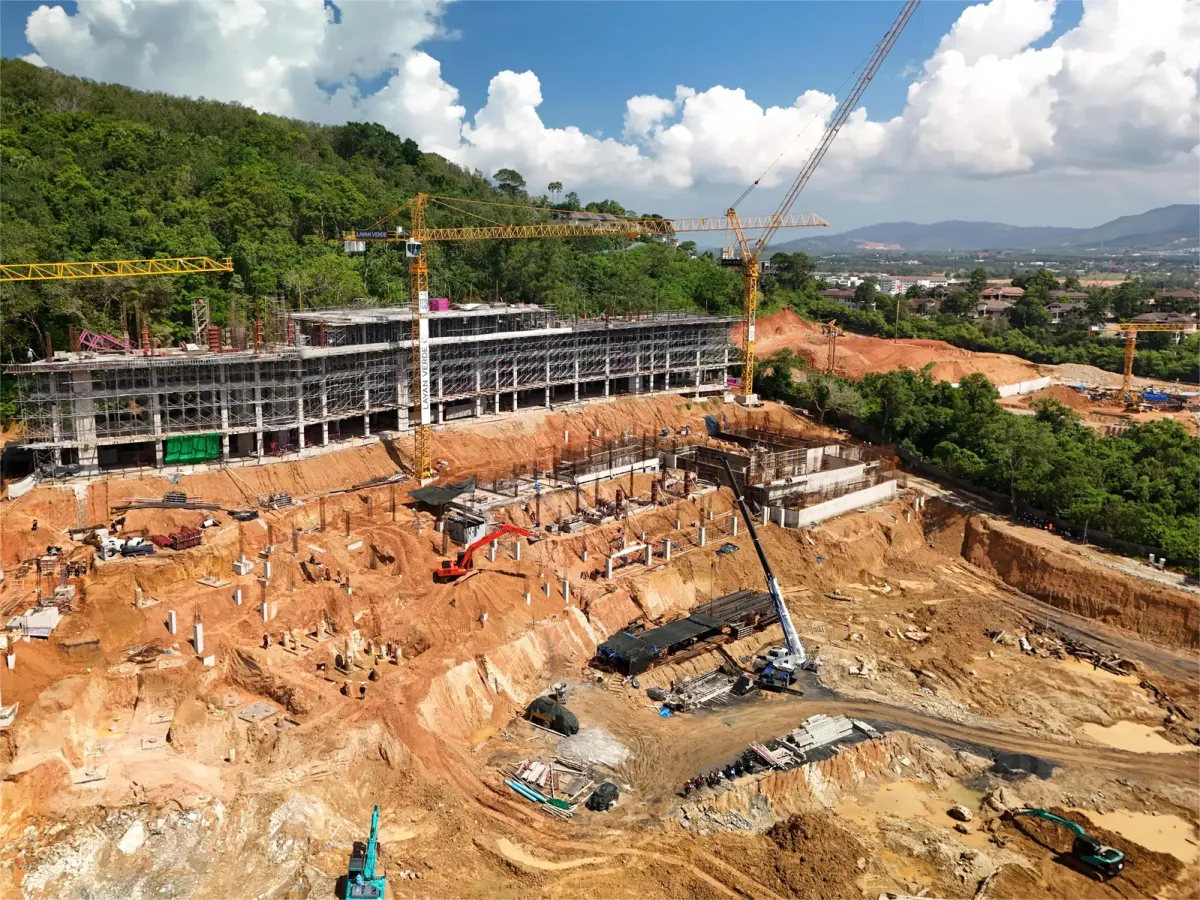
The practical question for many overseas buyers is whether off-plan progress can be checked over time. Layan Verde’s construction reporting matters because it uses dated updates with written details and site photos, giving buyers a clearer way to follow work on the ground.
A February 2025 construction update cited measurable progress, including 1,026 piles installed, Building A4 reported at 91 percent complete, and another phase at 95 percent of required soil excavation, with 11,367 cubic meters of soil removed. These details are more useful than broad marketing claims because they create checkable progress points.
When reviewing Layan Verde or any Phuket off-plan resort project, buyers should look for consistent dates, clear milestone descriptions, and construction photos that support the written claims. It is also sensible to ask how the payment schedule connects to construction stages and to seek independent legal, tax, or financial advice before committing.