
Dusit branded residence phuket context
What this page covers
Dusit branded residence phuket context
Dusit-branded residences in Phuket connect private resort ownership with hotel-led management. Public materials point to Dusit’s hospitality role in west-coast resort and residence concepts.
For US-based buyers, the brand is only one part of the review. Management terms, owner use, construction progress, and Phuket’s tourism-led property market all matter.
In brief
- A Dusit-branded residence is generally positioned as a resort-style property where private ownership is paired with hotel service standards.
- This model can suit buyers who value concierge support, shared amenities, and professional management more than full day-to-day control.
- Brand affiliation can add confidence, but it does not remove legal, market, construction, or contract risks that need careful review.
What to do
In Phuket, a Dusit-branded residence is best understood as a hybrid between a conventional condominium and a luxury resort property. Public project and hospitality materials describe Dusit’s connection to the resort operations layer, helping buyers understand who is expected to support the branded service experience.
The main appeal is convenience. Branded residences often emphasize hotel-style amenities such as housekeeping, concierge support, spa access, security, and shared resort facilities. For overseas owners, that can be useful, but it may also come with rules on personal use, rental participation, furnishing, and management standards that differ from a typical private condo.
For a US buyer comparing Phuket options, the key is to view the branded residence within the wider island market. Condos dominate much of Phuket’s supply, villas offer more private space, and branded residences are aimed at buyers who want a more managed, resort-oriented format. The right fit depends on lifestyle goals, risk tolerance, ownership structure, and comfort with hotel-led management.
What to keep in mind
A recognizable hotel brand is a trust signal, not a substitute for due diligence. Buyers should review the management agreement, owner-use rules, payment milestones, rental participation terms, and developer obligations. Any income or buyback claim should be checked against the contract and independent professional advice.
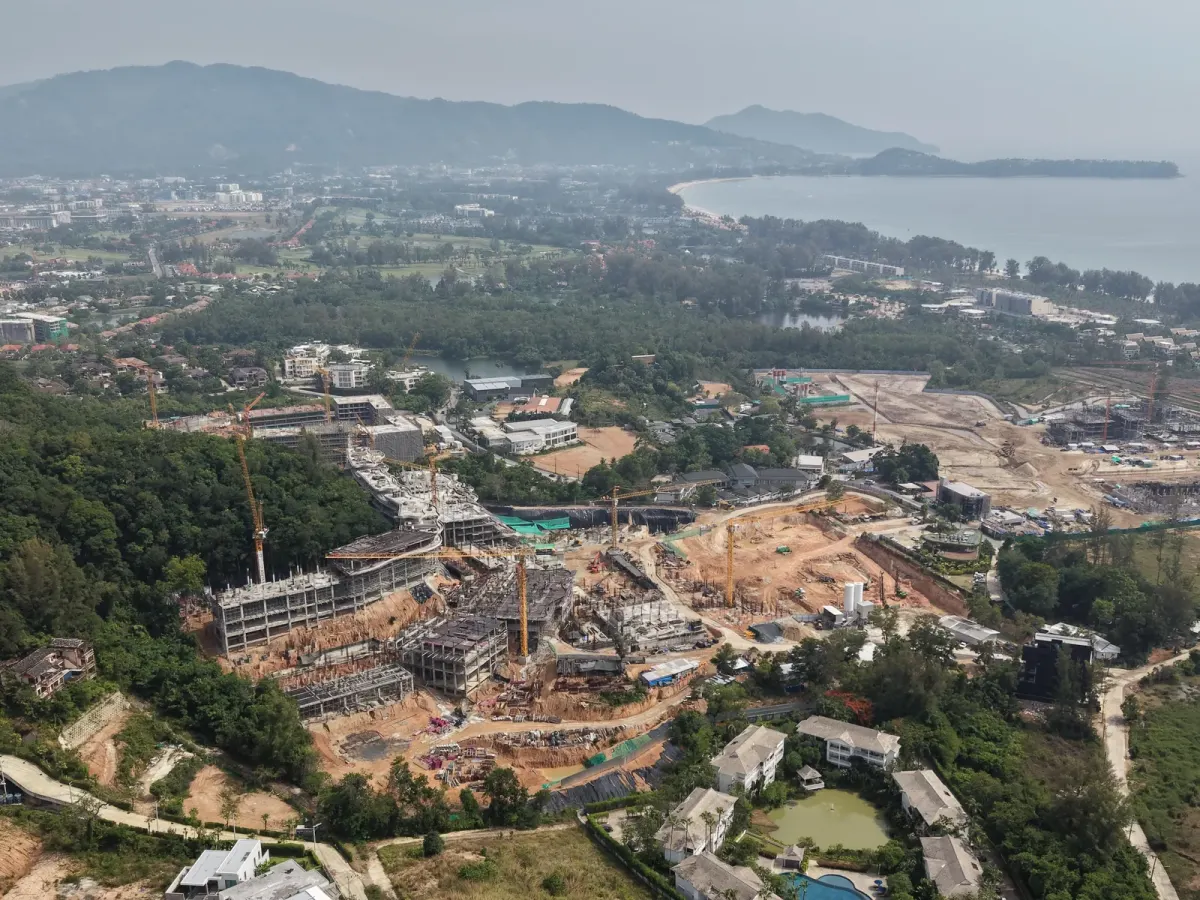
Construction transparency matters, especially for overseas buyers considering off-plan or partly completed property. Layan Verde has published dated construction updates with photos and figures, including piles installed, excavation volumes, and building-level completion percentages. These updates help buyers track progress at specific points in time.
The practical limitation is that branded residences remain exposed to Phuket’s tourism cycle, regulatory changes, resale conditions, and project execution risk. They may not suit buyers who want maximum personal-use flexibility, minimal shared rules, or a property that functions entirely like a private home. Legal and tax review is especially important before committing from abroad.