
Hospitality managed residences
What this page covers
Hospitality managed residences
Hospitality managed residences combine private ownership with a resort-style operating model, with day-to-day services handled by a professional hospitality team.
At Layan Verde, this concept is linked to a Dusit partnership on Phuket’s west coast, so buyers should look at both the lifestyle offering and the management structure behind it.
In brief
- A hospitality managed residence is typically a privately owned home in a resort setting, supported by services such as housekeeping, concierge, security, spa access, and shared amenities.
- This setup can suit buyers who want a lower-maintenance base in Phuket with hotel-style support instead of managing upkeep and service arrangements on their own.
- A recognized operator can be a positive signal, but buyers should still review the service scope, ownership structure, contract terms, and current construction status carefully.
What to do
In Phuket, hospitality managed residences sit between a standard condominium and a private villa. Owners have a home within a managed resort environment, while the operating side may include housekeeping, concierge, spa access, fitness facilities, pools, security, and other shared amenities, depending on the project terms.
Compared with a typical condo, this model is usually more service-led and may involve a more structured framework for use, management, and shared operations. Compared with a villa, it can reduce the burden of arranging maintenance and staffing, though owners also have less direct control over how the wider property is run.
Layan and nearby Bang Tao include a mix of condos, branded residences, and villa estates. Layan is often viewed as a quieter premium area with historically more limited new supply, so at Layan Verde the hospitality-managed model should be assessed alongside location, service standards, and the specific legal and contractual structure.
What to keep in mind
This type of residence is often a better fit for buyers who value resort services, shared amenities, and a professionally managed environment. It may be less suitable for buyers who want maximum autonomy, extensive customization, or the privacy of a standalone villa.
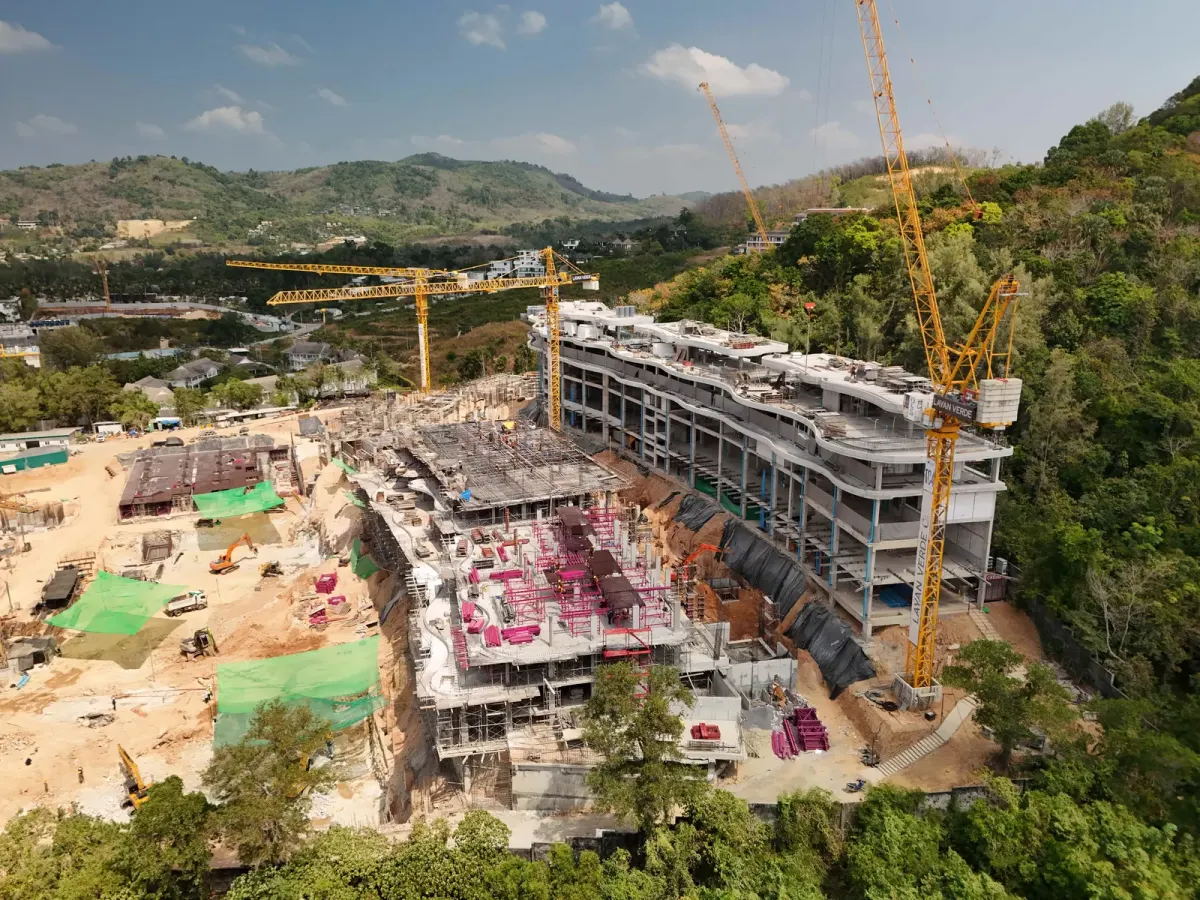
For off-plan resort residences, construction progress should be checked through factual updates rather than assumptions. Useful trust signals include dated progress reports, clear metrics, official contacts, and careful language around schedules, since timing can change due to weather, materials, permits, or other factors.
Before proceeding, overseas buyers should verify the ownership structure, title, permits, deposit handling, and management agreement with independent advisers. A known hospitality brand can be a positive sign, but the real outcome depends on the actual terms and standards delivered.