
Phuket vs dubai resort residence

What this page covers
Phuket vs dubai resort residence
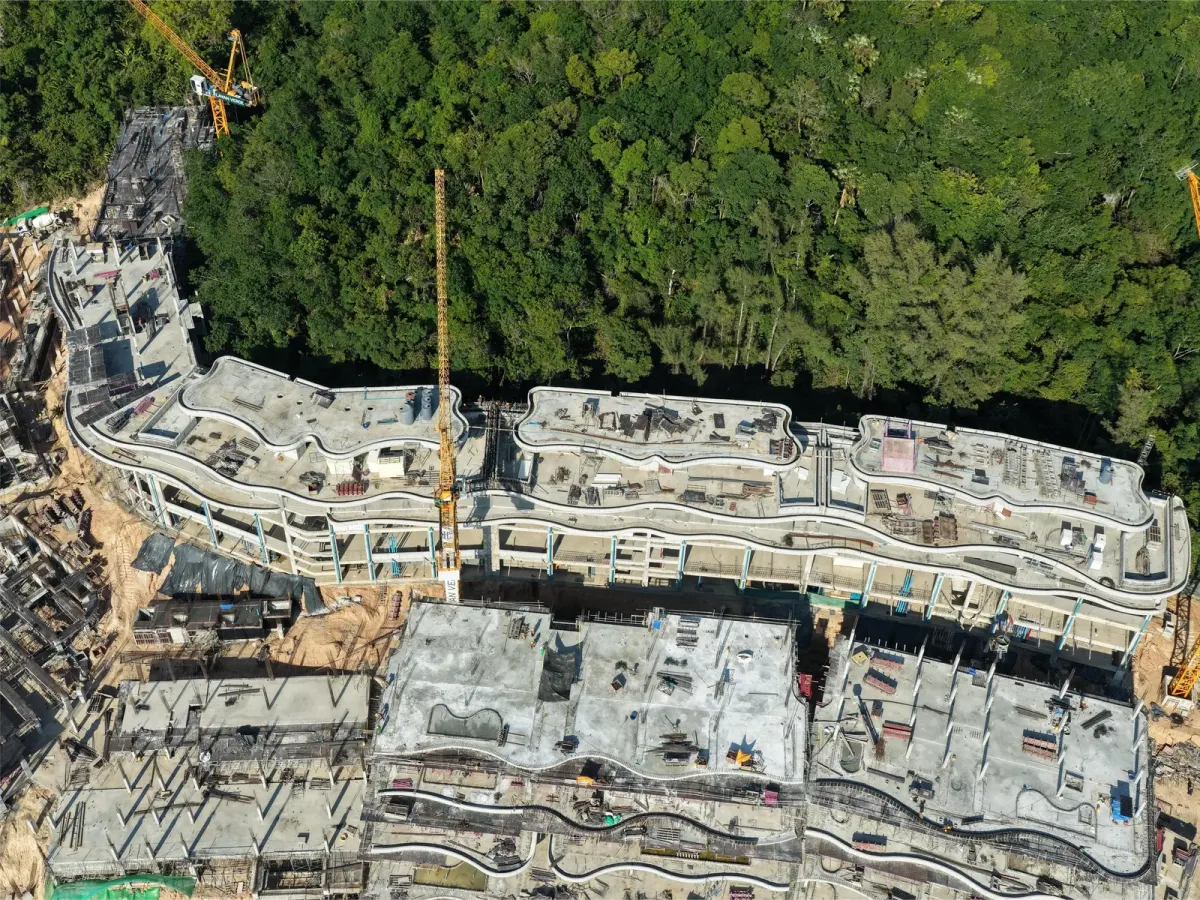
Layan Verde is a branded resort-style development in Bang Tao, Phuket, by Layan Best View Company Limited. It is planned as a large mixed resort environment in Thailand, with construction progress shared through regular updates in 2025.
If you are weighing a Phuket resort residence such as Layan Verde against options in other destinations like Dubai, this page helps you think through lifestyle, community feel, and practical ownership questions as a US-based overseas buyer.
In brief
- Phuket suits slower, resort-style living
- Phuket resort residences such as Layan Verde emphasize tropical greenery, beach access and a slower pace, with a large mixed-resort environment in Bang Tao. This can work well if you want long-stay use, on-site amenities and a softer climate than the Gulf region.
- Dubai focuses on urban scale and speed
- Dubai resort residences typically sit in a denser, highly urban setting with strong business links to Europe and the Middle East. They may suit buyers prioritizing flight connectivity, city energy and a more vertical, high-rise lifestyle over a pure beach-island feel.
What to do
When you compare a Phuket resort residence such as Layan Verde with Dubai options, it helps to start with how you actually plan to use the property. Phuket’s Bang Tao area is a beach destination with a slower pace, strong holiday infrastructure and a growing community of long-stay residents. Layan Verde is described as a large mixed resort development of about 8 hectares with high‑rise condo buildings and likely some villa formats, giving it the feel of a self-contained resort neighborhood rather than a single tower.
Dubai resort residences, by contrast, are usually embedded in a highly urban environment, with dense clusters of towers, large malls and business districts. That can be attractive if you expect frequent work trips through the Gulf, want short flights to Europe or the Middle East, or prefer a more vertical city lifestyle. The trade-off is that the day‑to‑day experience is more metropolitan than island‑resort, with less emphasis on tropical greenery and more on skyline views and city amenities.
Unit types and layouts are another practical comparison point. Public listings for Layan Verde show a broad condo mix, from one‑bedroom apartments up to larger three‑ and four‑bedroom units, with some layouts reaching over 300 m². The total condo count is given as 776 units in a seven‑floor building cluster, implying a wide range of sizes and orientations. As a US buyer, you can benchmark Phuket offerings by looking at usable area in square meters, bedroom count, balcony or terrace space, and whether you prefer sea, mountain or park views. In both Phuket and Dubai, resort residences often come with shared pools, fitness facilities and on‑site services, but Phuket projects like Layan Verde lean into tropical landscaping and open‑air spaces, while Dubai schemes may emphasize proximity to major retail or entertainment hubs.
Ownership and management are important to understand before you commit. In Thailand, foreign buyers typically engage with condominium structures governed by Thai law and should confirm how title is held, what proportion of units can be foreign‑owned, and how common‑area fees and resort services are managed. In Dubai, foreign ownership rules and fee structures follow a different legal framework. In both cases, it is sensible to ask local legal and tax professionals to explain ownership options, recurring costs and any restrictions that apply to you as a US‑based buyer, so you can compare destinations on more than just lifestyle.
What to keep in mind
A Phuket resort residence is not automatically the right choice for every US buyer. The island’s slower pace, monsoon season and distance from major US hubs may feel inconvenient if you expect frequent short trips. Phuket projects like Layan Verde are large mixed developments with hundreds of condo units; if you prefer a very low‑density, standalone home, a private villa or a smaller building in either Phuket or Dubai might suit you better.
Dubai resort residences come with their own trade‑offs. The highly urban environment and hotter, drier climate can be a plus for some and a drawback for others. If your main goal is a quiet, nature‑focused retreat, the city scale and year‑round heat in Dubai may not match the tropical‑green setting you find in Bang Tao, Phuket. On the other hand, if you want a global business hub with strong air links, Dubai may feel more practical than an island destination.
Whichever destination you lean toward, foreign ownership rules, taxes and ongoing fees require careful checking. In Thailand, you should confirm with qualified local advisors how condominium ownership works for foreigners, what share of a project can be foreign‑owned, and how common‑area and resort‑style services are charged. In Dubai, you will need similar clarity on freehold or leasehold structures, service charges and any restrictions that apply to non‑residents. Remote management is another limitation to consider. A large resort‑style project such as Layan Verde can simplify day‑to‑day upkeep through on‑site management, but you still need to understand service standards, reporting and what happens if you are away in the US for long periods. The same questions apply in Dubai: who manages the building, how issues are handled in your absence and what level of involvement is expected from you as an owner.
