
Resort residence vs condo phuket
What this page covers
Resort residence vs condo phuket
Choosing between a Phuket resort residence and a standard condo starts with ownership, services, maintenance, and how often you plan to use the property.
Condos are the most familiar residential format for many foreign buyers in Phuket. Resort-style or branded residences sit in a more service-led segment, so the legal structure and management model need careful review.
In brief
- A standard Phuket condo is often easier for foreign buyers to understand because direct foreign freehold ownership is allowed within a project’s 49 percent foreign quota.
- A resort-style or branded residence may suit buyers who want a more hospitality-led setting, but the included services, amenities, and owner obligations should be confirmed in writing.
- Before comparing lifestyle benefits or rental potential, review the ownership form, fees, rental rules, and contract terms with independent legal advice.
What to do
For many overseas buyers, a Phuket condominium is the simplest reference point. You own an apartment unit and share the building’s common areas, while the condominium juristic person manages shared facilities and sets common-area fees. Because condos make up a large share of Phuket’s residential supply, they are widely available and easier to compare across projects.
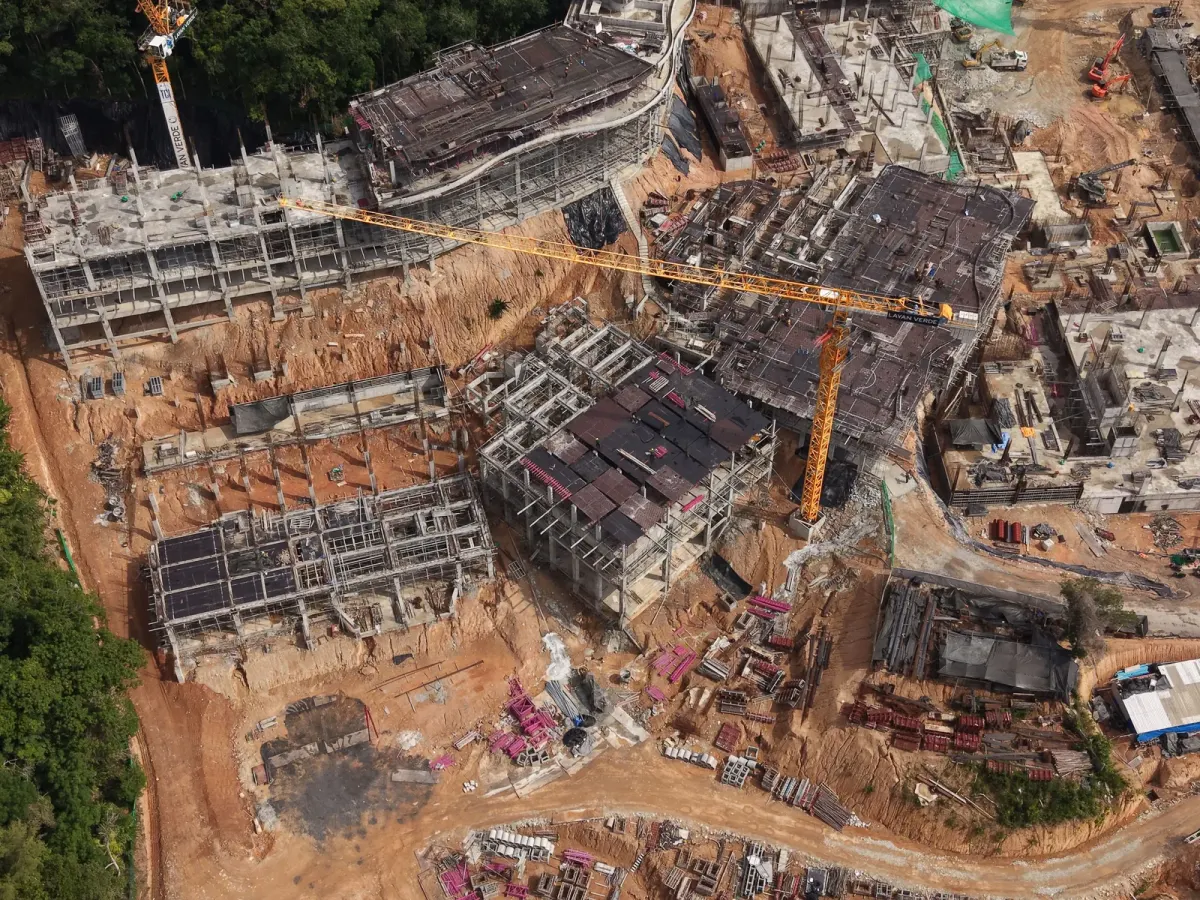
A resort residence should be reviewed as a more service-led alternative, not just another apartment. Layan Verde is one Phuket case study in this higher-end resort real estate segment. For a buyer, the key question is whether the project’s operations, amenities, guest-use rules, and owner responsibilities match the way you plan to use the residence.
The most useful comparison is legal structure, operating model, and total ongoing cost. Confirm whether the residence is sold as a condominium, leasehold, or another structure. Ask who manages shared areas and services, how fees are calculated, and what rules apply to owner use and rental management. If you are buying from the US, get independent legal advice before signing.
What to keep in mind
Phuket’s residential market is heavily weighted toward condominiums. Supplied market material cites roughly 40,000 to 41,000 total residential units on the island and indicates that about 83 percent were condos as of early 2025. This helps explain why condos are often the first product foreign buyers encounter.
Thai condominium rules allow foreigners to own condo units freehold directly, subject to the 49 percent foreign-ownership quota in each project. Foreigners generally cannot own Thai land outright, so villa or land-linked structures often involve leaseholds or other arrangements. Any non-standard structure should be reviewed by an independent lawyer.
Costs and management can differ significantly after purchase. Condo owners typically pay common-area fees set by the building, while more service-heavy or land-linked properties may involve broader operating costs. A resort residence can be attractive for managed lifestyle use, but the details must be checked project by project.