
Phuket owner communication questions
What this page covers
Phuket owner communication questions
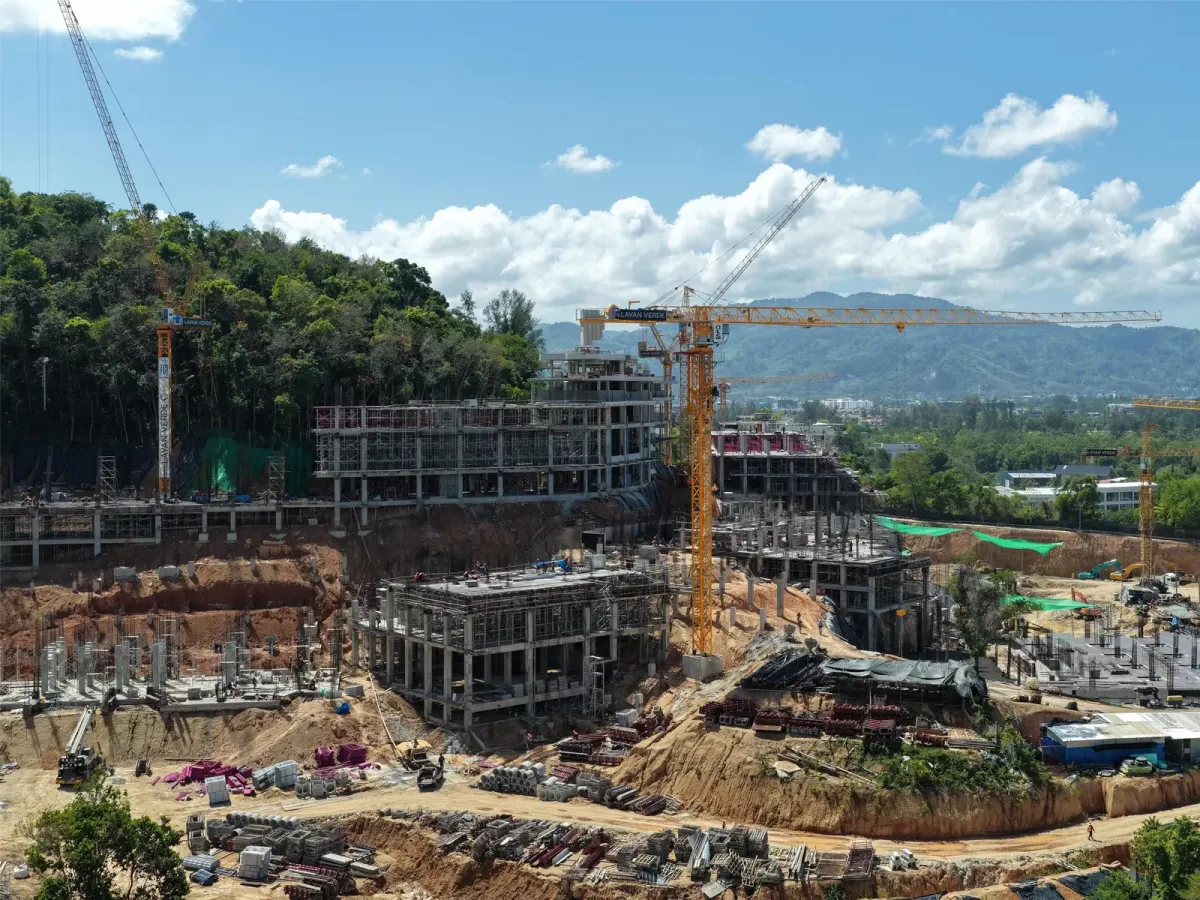
If you are exploring ownership at Layan Verde in Bang Tao, Phuket, it helps to organize your questions before you speak with the team. Layan Verde’s master plan is presented as a large, mixed resort community of roughly 8 hectares in the Bang Tao area, with mid-rise condominium buildings and, in some materials, separate villa formats. Your first conversations can clarify how this master plan is structured and what it means for you as an individual owner.
Listings mention a wide range of apartment layouts, from one- to four-bedroom units, including examples around 334 m² and 512 m². When you speak with the project or sales team, you can focus on which floor plans are actually available, how views and building positions differ, and how each option supports the way you plan to live or spend time in Phuket within the wider resort environment.
In brief
- Ask how Layan Verde’s roughly 8-hectare master plan in the Bang Tao area is organized, including the mix of condo buildings, any villa formats, hotels and shared resort infrastructure, and how many residential units are planned overall.
- Discuss which apartment typologies and sizes best match your household and climate preferences, including layout, orientation, indoor‑outdoor flow, and how much flexibility you have for furnishing and personal use.
- Clarify how the lifestyle vision at Layan Verde – privacy, access to beaches and on‑site amenities – translates into everyday communication with the team, owner services and practical support for remote or part‑time owners.
What to do
When you start a conversation about owning at Layan Verde, a useful first step is to understand the overall concept and scale. The development is described as a mixed resort with a roughly 8-hectare master plan in the Bang Tao area, combining mid-rise condominium buildings and, in some descriptions, villa-style formats. In early calls or messages, you can ask how this mix is arranged on the site, how many residential units are planned in total, and how hotels, residential buildings and shopping or service areas are positioned relative to each other.
From there, you can move into more detailed questions about unit types and floor plans. Public listings suggest a broad range of apartment layouts, including three‑bedroom units of about 334 m² and four‑bedroom units of about 512 m², within a large overall condo count. It is reasonable to ask which typologies are currently available, how bedroom count and usable area compare across buildings, and how orientation affects sea, mountain or garden views. You can also ask how typical Phuket resort design features such as open‑plan living, balconies, terraces and shading are handled in specific Layan Verde layouts, and what is included in standard finishes or furniture packages.
Finally, it is helpful to connect these technical details with the lifestyle and communication style you are looking for as an owner. Layan Verde is positioned as more than just apartments, with an emphasis on luxury, privacy and proximity to some of Phuket’s best west‑coast beaches. In your discussions, you might explore how walking paths, pools, landscaped areas, kids’ spaces, coworking and on‑site services support day‑to‑day living, and how owner communication works in practice for maintenance, housekeeping or rental management requests. This kind of structured dialogue can make your ownership decision more informed and aligned with your expectations as a US‑based buyer.
What to keep in mind
Layan Verde is presented as a substantial resort‑style development, with information indicating hundreds of condominium units and a mix of residential and hospitality components. This scale can appeal to buyers who value on‑site infrastructure, services and a master‑planned environment, but it may feel less suitable for those seeking a very small or low‑density community. When you communicate with the team, you can ask how building height, density and shared facilities are expected to feel in everyday use and how crowding is managed in peak seasons.
The project is framed as a lifestyle‑driven purchase, with luxury, privacy and potential appeal for both personal use and rental scenarios. At the same time, listings show that unit size, view, building position and typology vary significantly, and pricing tends to move with these factors. It is sensible to discuss how different layouts and locations within the complex affect your experience as an owner, what noise or privacy differences to expect, and how the mix of hotels, residential buildings and shopping areas will operate alongside each other over time.
Some materials also describe rental management options where owners can sign an agreement with a property management company, reserve personal use for a limited number of days per year, and have their unit grouped into a pool by typology for rental operations. If you are considering this, you can ask for the detailed terms of any management agreement, how operating costs and revenues are allocated within each pool, and what this means for your own use of the property. For US‑based buyers, it is also prudent to discuss with your own legal and tax advisors how such structures fit your personal plans and risk tolerance, as the project team cannot provide independent legal, tax or financial advice.