
Phuket property due diligence checklist
What this page covers
Phuket property due diligence checklist
Use this page as a calm starting point for organizing your Phuket property due diligence from the US. The focus is education: understanding the Phuket market, ownership basics, and how to use a resort project like Layan Verde as a practical case study.
We do not provide legal, tax, or investment advice. This checklist instead highlights questions to raise with your own independent legal, real estate, and tax professionals when you review Phuket opportunities and compare projects in areas such as Bang Tao and Layan.
In brief
- Use a structured checklist, not marketing claims
- Treat Phuket property brochures and yield promises as reference material only. Build a written checklist that covers title and ownership, developer track record, construction status, rental program terms, and local market context.
- Rely on independent professionals
- Coordinate with your own Thai legal counsel, tax and real estate professionals. Ask them to verify land title, condo freehold quota, contracts, rental program mechanics, and compliance with Thai regulations before you commit.
What to do
A practical Phuket due diligence checklist starts with ownership and title. Ask your Thai lawyer to confirm what you are actually buying (condominium unit, leasehold interest, or villa structure on leased land), the exact land title type, and whether any mortgages, liens, or encumbrances are registered. For condominiums, have them verify that the foreign freehold quota is available if you are targeting freehold ownership.
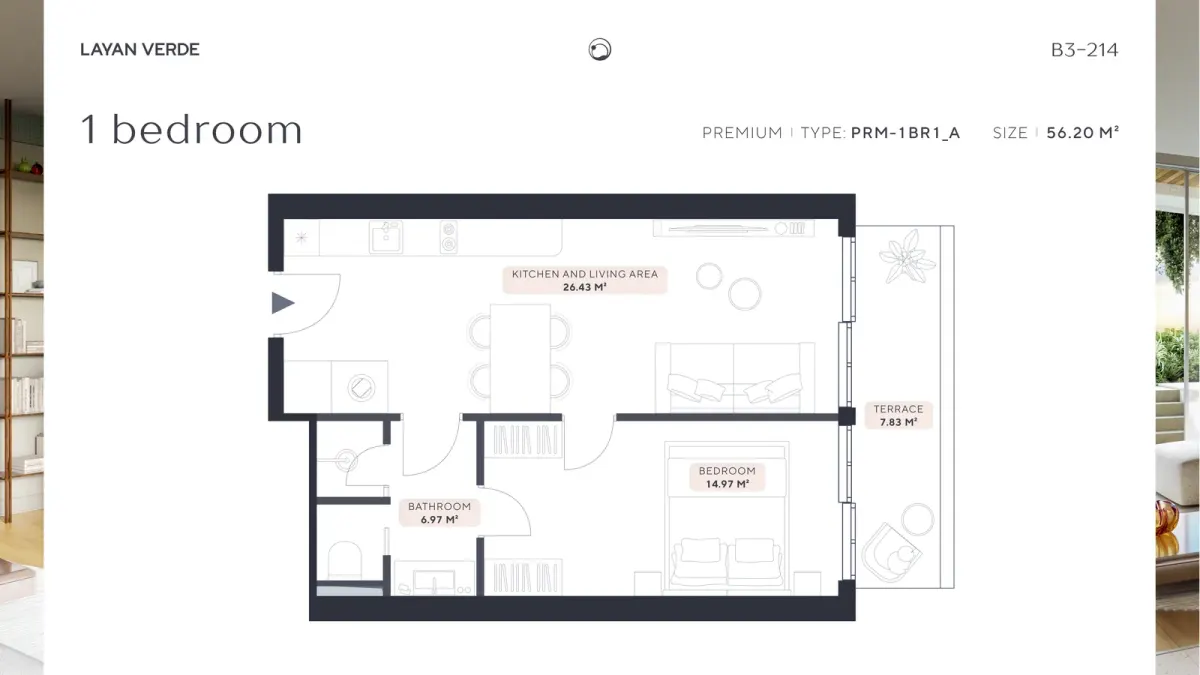
Next, review the developer and project structure. Request full corporate details of the legal developer entity, past projects, and delivery history. For a case study like Layan Verde, that includes understanding the role of Layan Best View Company Limited, the broader VillaCarte Group, and design and hospitality partners such as Dewan Architects + Engineers, SHMA, and Dusit International. Ask for building permits, environmental approvals, and construction progress evidence, not just renders.
Then examine the rental and hospitality model. In Phuket, some projects market “guaranteed” yields, while others use a rental-pool structure. Independent sources note that guarantees are often funded by higher purchase prices, effectively rebating part of what buyers overpay. Ask your advisor to walk through how income is generated, what fees the operator charges, how profits are split, and whether any guarantees are backed by a clear funding source and enforceable contract terms. Finally, place the project in its local market context. Compare Bang Tao / Layan to nearby areas such as Laguna and Surin in terms of beach access, restaurants, family amenities, and transport links to Phuket International Airport. Use third-party portals and analysis pieces to benchmark unit sizes, finishes, and amenity packages against other west-coast developments so you can see whether a resort community with extensive amenities, like the Layan Verde concept, is priced and positioned in line with the wider Phuket market.
What to keep in mind
Phuket resort property is heavily marketed to overseas buyers, and online materials can blur the line between lifestyle storytelling and hard facts. Independent analysts caution against taking appreciation or rental claims at face value. Instead of relying on headline yields or glossy comparisons, ask for current market rent data, realistic occupancy assumptions, and legally enforceable clauses that spell out how income is calculated and distributed.
Foreign ownership in Thailand also has structural limits. For condominiums, only a defined percentage of the building’s area can be owned freehold by non‑Thai buyers, and that quota can sell out. Villas are often sold via leasehold or company structures rather than direct land ownership. Your Thai legal counsel should confirm which structure is used in each project you consider, what rights you hold at the end of a lease term, and how easily your interest can be resold or transferred.
Off‑plan resort developments add another layer of risk and timing questions. You will want clarity on construction milestones, what can be inspected on site during a viewing trip, and what happens if timelines shift. Ask the developer for up‑to‑date construction photos or videos, third‑party certifications such as EDGE where applicable, and clear documentation of the project team. Compare this with other Bang Tao / Layan projects so you can see whether the build pace, specification, and any rental or hospitality program look consistent with the wider market.