
Phuket Property Viewing and Inspection Checklist
What this page covers
Phuket Property Viewing and Inspection Checklist
Use a Phuket property viewing to confirm facts, not just impressions. Before you travel, check whether the property can be toured in person or by video and whether an independent inspection will be allowed at completion.
For US-based buyers researching from abroad, a practical checklist helps separate what can be reviewed remotely from what should be verified on site, so your trip stays focused and your questions are ready in advance.
In brief
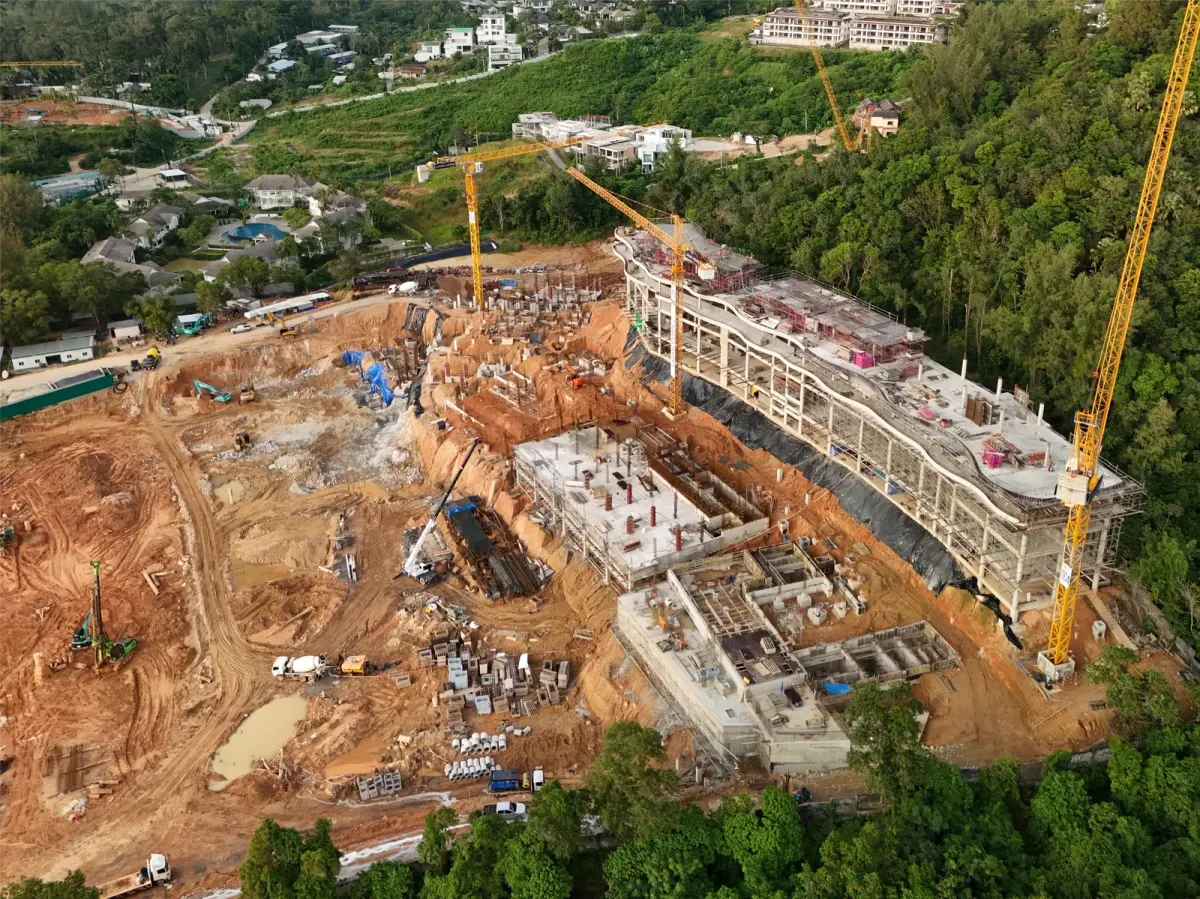
- Before a viewing, ask what can be shared remotely, including current construction updates, video walkthroughs, floor plans, and the latest project materials before you make travel plans.
- During the visit, compare what you see with the plans, layouts, and visuals you reviewed earlier, because public materials may be approximate and project changes can happen under applicable rules.
- If the property is not yet complete, ask whether an independent inspection will be allowed at completion and which issues should be checked separately through due diligence and professional advice.
What to do
A useful viewing checklist starts with access and timing. If you are researching Phuket property from the US, ask which parts of the review can be handled remotely first and which points truly require an on-site visit. That can help you avoid unnecessary travel before basic questions are answered.
When you are on site, focus on details you can observe and compare directly. In Layan Verde’s public project materials, that may include elevated land, natural ventilation, protection from sea humidity, panoramic views, walking paths, water features, landscaping, and parking. Use the visit to ask how those features apply to the specific building, area, or unit being shown.
Keep your questions factual and easy to verify. Ask for current construction updates, request the latest project materials, and confirm whether an independent inspection will be allowed at completion. For legal, tax, ownership, and financing questions, use the viewing to identify what should be reviewed further with qualified professionals.
What to keep in mind
A viewing is only one part of the buying process. It can help you compare remote research with the actual site, but it does not replace separate checks on ownership, legal structure, or the developer’s current business position. Those points require broader due diligence.
Overseas property purchases involve risk, and Thailand’s legal and market environment may differ from what many US buyers expect. Factors such as currency movements, changes in foreign-ownership rules, and the developer’s business situation should be verified carefully through the proper channels.
It is also important to remember that public renderings and property layouts may be approximate, and the developer may make project changes in line with applicable law. A strong inspection checklist should therefore include direct questions about the current version of the plans, what is expected to be delivered, and whether inspection access will be available at completion.