
Buy condo phuket
What this page covers
Buy condo phuket
For many foreigners, including Americans, buying a condo in Phuket is the most straightforward way to own property in Thailand. Thai law allows foreign freehold ownership of condominium units, within a building‑level foreign quota, so you can hold clear title without using complex ownership structures.
A large share of overseas buyers complete their Phuket condo purchase remotely. A common approach is to appoint a Thai lawyer, grant Power of Attorney for signing at the Land Department, and send purchase funds from abroad in foreign currency so the bank can issue the required exchange form under Thai regulations.
If you are comparing Phuket condos with branded resort residences such as Layan Verde, it helps to look at ownership type, location, and how on‑site management will support you as a remote owner.
In brief
- Thai law generally treats foreigners similarly and allows them to own condominium units freehold, as long as the building’s foreign ownership quota is not exceeded. Direct ownership of land or freehold houses is restricted, so condos are often the simplest option.
- Americans and other overseas buyers often handle Phuket condo transactions from abroad by hiring a Thai lawyer, using Power of Attorney, wiring funds in foreign currency, and completing registration at the Land Department through their representative.
- All purchase funds normally need to be sent into Thailand from overseas in foreign currency with proper bank documentation, typically a Foreign Exchange Transaction Form, to show that the money entered the country in line with Thai legal requirements.
What to do
When you buy a condo in Phuket as a foreigner, the key legal distinction is between land and condominium ownership. Foreigners cannot generally own land or freehold houses outright, but they may own condominium units freehold, provided the building stays within the 49 percent foreign ownership quota. This structure lets you hold a clear title to your unit without needing a Thai spouse or company, which would add legal and tax complexity that you should discuss with your own advisors.
In practice, many overseas buyers choose between a freehold condo and a long‑term lease on a villa or land. A condo typically offers a full freehold title to the unit itself, while villas are often held on long leases such as 30 plus 30 plus 30 years. Condos also come with shared facilities and a building juristic person that manages common areas, so ongoing maintenance is more predictable than for a standalone villa where you must organize and fund all upkeep yourself or rely on a local manager.
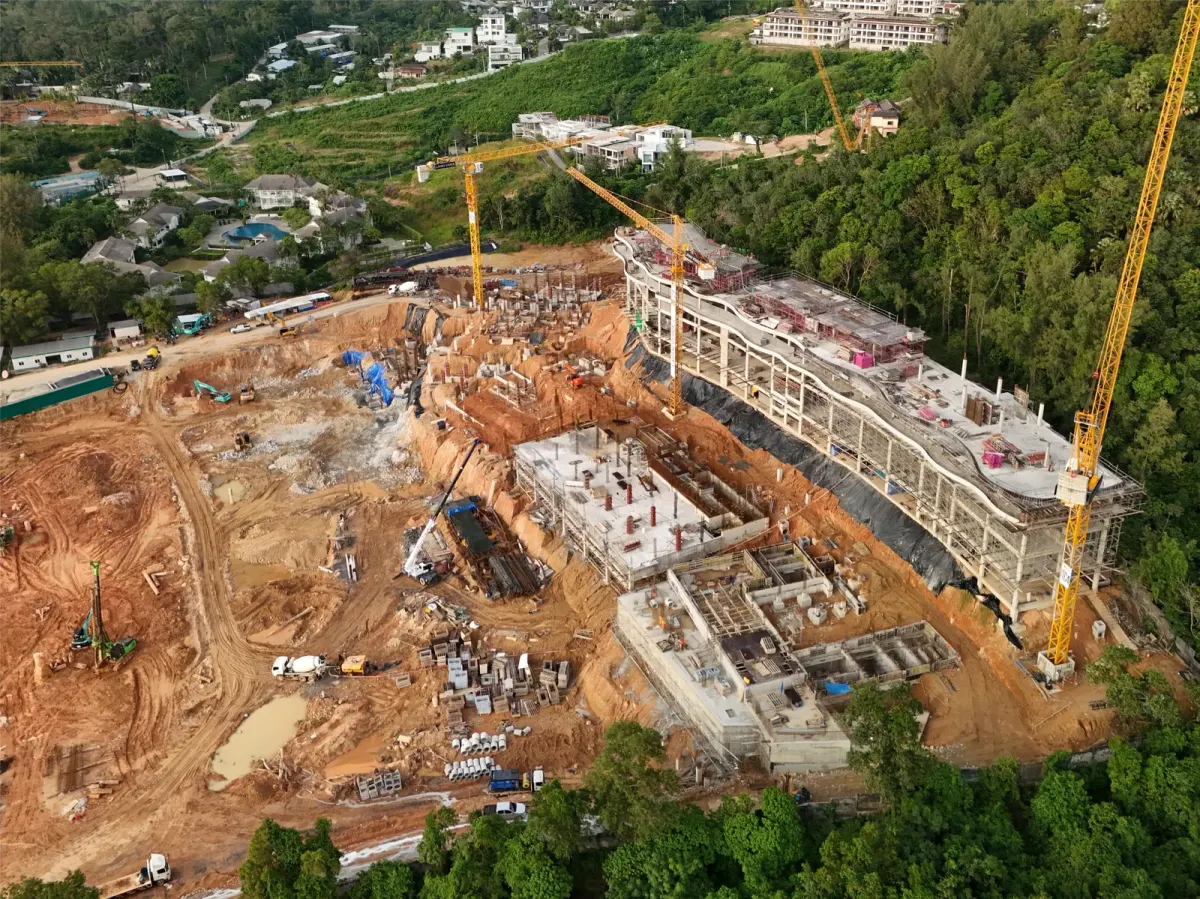
Most foreign buyers pay cash because Thai banks rarely lend to non‑residents, so the total outlay and running costs matter. After purchase, condo owners pay common‑area fees set by the juristic person, while villa owners cover items like pool, garden, and staff directly. Whatever you choose, ensure your funds are remitted from abroad in foreign currency with proper bank documentation, and consider engaging a Thai lawyer to review contracts, confirm compliance with the Condominium Act, and oversee closing at the Land Department. If you are looking at branded residences such as Layan Verde, also review the developer’s track record, construction status, and how the hospitality partner will support day‑to‑day operations.
What to keep in mind
Thai regulations mean you cannot simply buy any property type in Phuket as a foreigner. Direct ownership of land or freehold houses is restricted, so if you want straightforward title, a condo within the foreign quota or a long‑term lease structure on a villa or land are the usual paths. Some buyers use Thai companies or a Thai spouse to hold land, but these routes add legal and tax complexity and need careful professional review with independent advisors.
Condo ownership also comes with ongoing obligations. You will pay common‑area fees set by the building’s juristic person, and you share responsibility for the condition of the building and its finances. By contrast, villa owners shoulder all maintenance costs themselves, which can be significantly higher but also give more control. Thinking through how much time you will spend in Phuket, how hands‑on you want to be with property management, and whether you prefer a full‑service resort environment like Layan Verde helps determine whether a condo is the right fit.
Market conditions in Phuket can change with tourism cycles, and there is no guaranteed rental income or resale outcome. Public analyses have cited moderate gross rental yields for well‑located condos, but these figures vary by project, season, and management quality. Before committing, it is sensible to have a lawyer check Land Department records, verify that the foreign quota is available, and confirm that all funds transfers and contracts comply with Thai law rather than relying on marketing claims alone. For branded projects, also verify official documents, management agreements, and construction progress materials provided by the developer.