
Buy house in phuket
What this page covers
Buy house in phuket
Buying a house or villa in Phuket as a foreigner means working within Thai property rules, taxes, and ownership structures that can be very different from those in the United States. Taking time to understand these basics before you commit can make each later step, from reservation to transfer, more predictable and less stressful.
Clear, well‑researched guidance that draws on Thai regulations, expert commentary, and real‑estate practice can help you see what is allowed, what is restricted, and which structures are viewed as higher risk. With that foundation, you can shape a purchase plan that fits your goals, budget, and risk tolerance instead of relying on informal advice.
In brief
- Foreign buyers face specific legal limits on how they can own property in Thailand, so it is important to understand which ownership structures are permitted before you move ahead with a house purchase in Phuket.
- Key commercial terms such as deposits, payment milestones, and transfer costs should be clearly written into the sale and purchase agreement so both sides know who pays what, when, and what happens if plans change.
- Because tax rules, incentives, and enforcement priorities can change, buyers should confirm important points with official Thai sources or qualified professional advisers before they sign documents or transfer funds.
What to do
When you plan to buy a house in Phuket, start by grounding yourself in the Thai legal framework for foreign buyers. Regulations such as the Condominium Act and related Land Department rules define what non‑Thai buyers can and cannot own directly, and how structures must be set up to comply. Reputable guides and law‑firm commentaries that reference these regulations are more reliable than informal opinions and help you avoid arrangements that may later be challenged.
Next, think through the practical differences between buying a standalone house or villa and buying a condominium. Research on Phuket notes that condo owners typically pay common‑area fees set by the building’s juristic person, while villa owners cover all upkeep themselves, including pool, garden, and staff, which can add up to substantial monthly amounts. These ongoing costs, together with how you plan to use the property, should sit alongside lifestyle preferences when you compare options.
If you are also considering rental use, it helps to understand how condos and villas tend to perform in Phuket. Industry analyses cited in expat and property guides describe well‑located condos as having relatively predictable gross rental yields and broad tenant appeal, while villas can offer moderate yields with higher upside but a smaller, more niche renter pool. Using this type of data as a reference point can help you choose a property type and location that align with your income expectations and comfort with variability, without treating any figures as a guarantee.
What to keep in mind
Buying a house in Phuket is not a simple copy‑and‑paste of a home purchase in the United States. Foreign ownership is regulated, and some structures that look convenient may not comply with Thai law or current enforcement trends. That is why serious guidance relies on Thai government‑anchored materials, such as Land Department and Revenue Department publications and the Condominium Act, to outline what is realistically possible for non‑Thai buyers.
Costs and taxes are another area where marketing messages can differ from legal reality. Industry guidance stresses that transfer costs are negotiated and should be clearly allocated in the sale and purchase agreement, and that any promotion where a seller offers to cover fees needs to be documented in writing. Exemptions such as Thailand’s transfer tax holidays generally do not apply to foreign‑owned title, and official sources highlight that tax rules and incentives can change, so buyers should verify current treatment for their specific transaction.
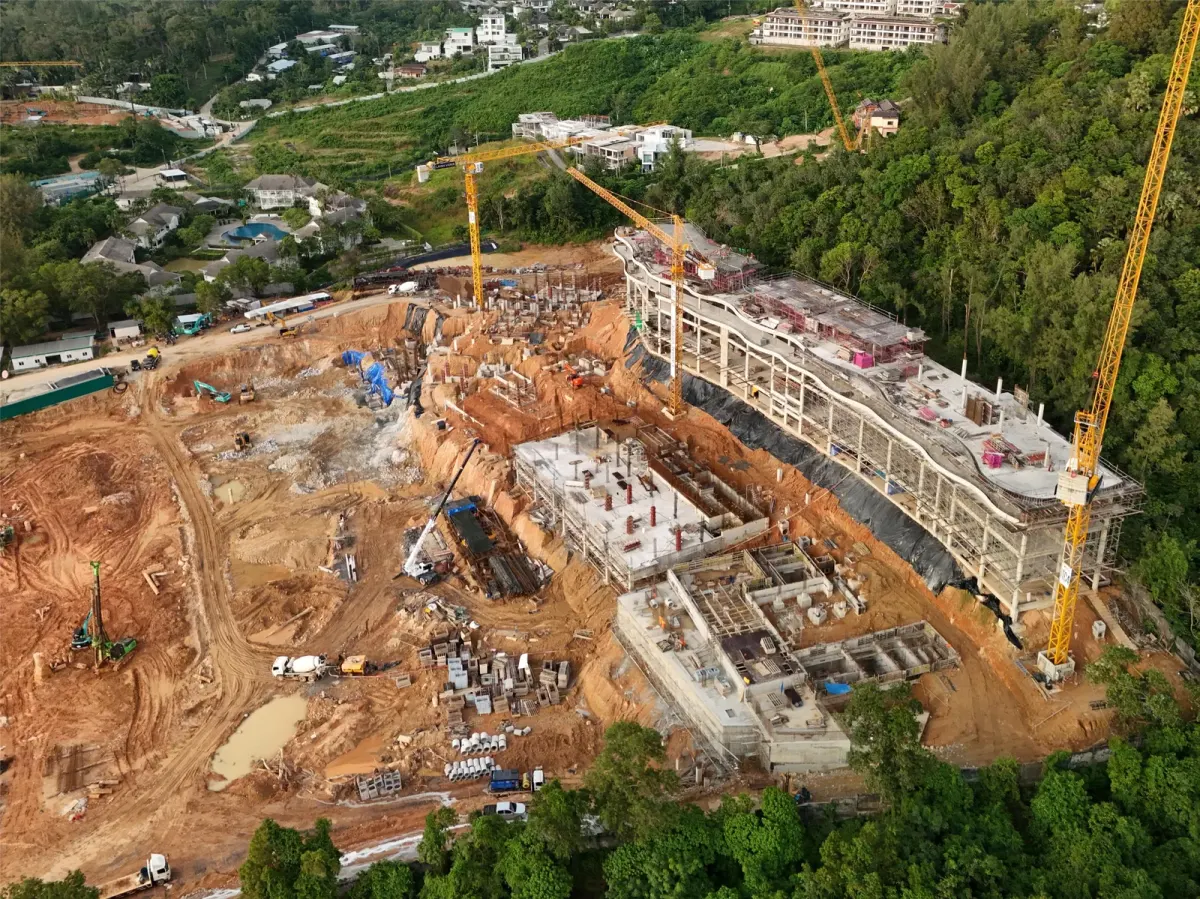
Project risk also matters, especially if you are looking at off‑plan houses or villas. Research on Phuket shows that some smaller developers selling pre‑construction units have defaulted, leaving buyers with delayed or incomplete projects, while larger, established groups have tended to keep delivering. Off‑plan projects can run 12–24 months late and may be delivered with downgraded specifications, so many buyers negotiate milestone‑based payments, independent construction monitoring, and detailed contracts that lock in key materials and provide remedies if standards are reduced.