
Phuket house for sale
What this page covers
Phuket house for sale
When you start looking for a Phuket house for sale as an overseas buyer, you will usually choose between a completed home you can walk through today and an off-plan house that is still being built. Each route has different levels of construction risk, flexibility on layout, and certainty on when you can move in, so it helps to be clear about your timing and comfort with risk from the beginning.
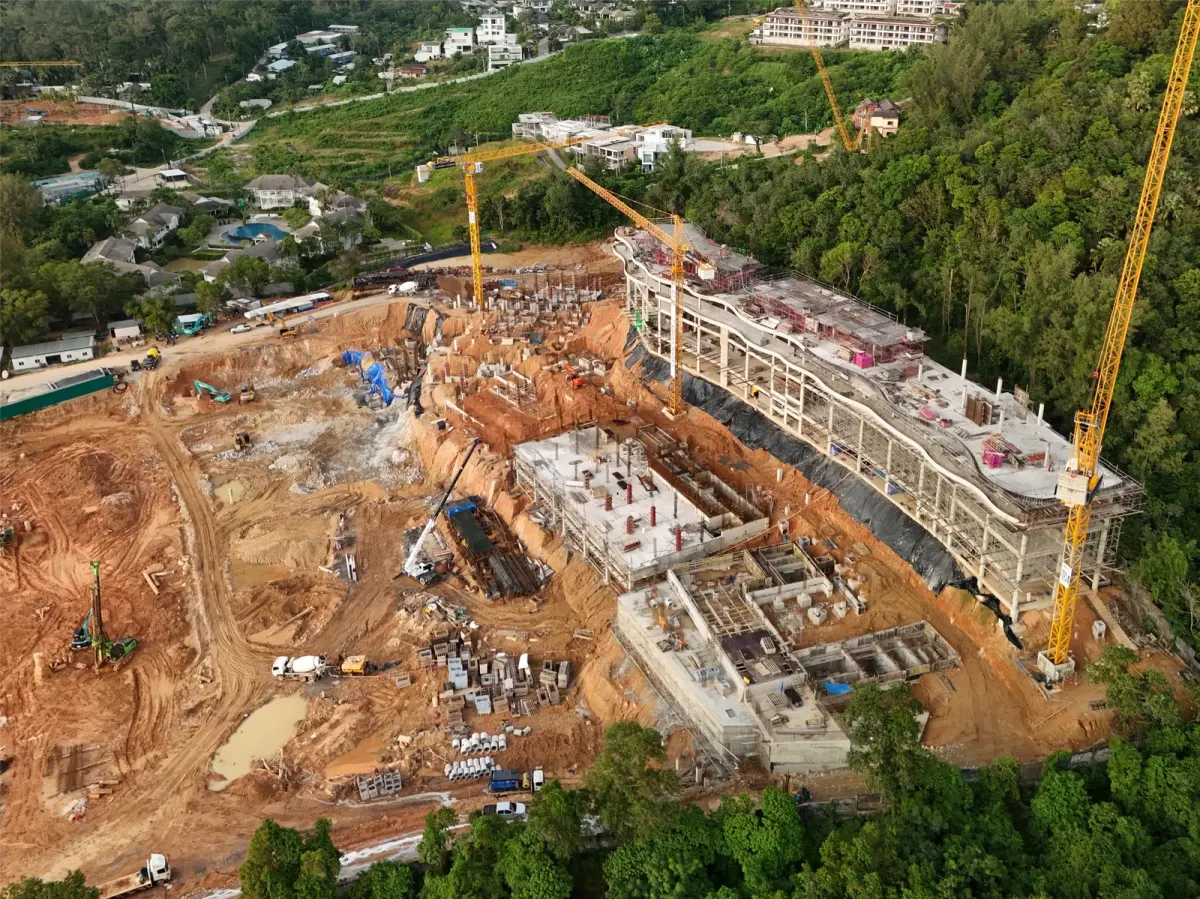
Off-plan houses can look attractive on paper, but they add exposure to the developer’s track record, possible construction delays, and changes in finishes or layouts. Before you sign, make sure you understand the full cost, how and when payments are due, and what legal protections you have if the project is delayed, changed, or not completed as described in the contract.
In brief
- When you search for a Phuket house for sale, decide early whether you want a finished home or an off-plan build, because the construction risk, ability to customize, and certainty on handover dates are very different between the two options.
- The real cost of buying a house in Phuket is higher than the listing price. You should also budget for legal and due diligence work, Land Office transfer fees of about 2 percent of the registered value, and taxes such as specific business tax, stamp duty, and withholding tax.
- Most foreign buyers in Phuket pay cash or follow a developer installment plan, as large Thai mortgages for non-residents are uncommon. Clarify your funding plan in advance and understand how currency, payment milestones, and contract terms will work before you commit.
What to do
For US-based buyers, a practical way to approach Phuket houses for sale is to map out the full transaction structure before you fall in love with a particular villa or floor plan. In addition to the purchase price, you should expect legal fees, due diligence costs, a Land Office transfer registration fee of about 2 percent of the property value, and taxes such as specific business tax, stamp duty, and withholding tax. Buyers and sellers often negotiate who pays which items, so knowing this breakdown early helps you compare different houses on a like-for-like basis.
Because Thai property rules and market practices differ from those in the US, many overseas buyers rely on local legal support and clear written contracts. A thorough process usually includes title checks, review of building permits, and careful reading of payment schedules, default clauses, and handover conditions. This structure is especially important if you are buying off-plan, where your payments are tied to a project that is not yet complete and you need clarity on what happens if timelines or specifications change.
Financing is another area where Phuket can differ from more familiar markets. Many non-resident buyers do not obtain large Thai home loans; instead, they pay cash, use offshore financing, or follow developer installment plans linked to construction milestones. When you compare a Phuket house with alternatives in places like Portugal or Mexico, it can help to weigh not only lifestyle and travel time but also the ownership model and funding options available to you, and to confirm current rules and practices with qualified legal and tax advisors before moving forward.
What to keep in mind
The Phuket property market combines resort-style living with a legal and tax environment that works differently from what many US buyers are used to. Independent reviews and expat-focused guides highlight that serious buyers often go beyond listing details to understand title, land use, and developer history. You should expect to spend time on this homework, especially if you are buying from abroad and cannot visit the property frequently.
When you focus on houses rather than condominiums, ownership structures for foreigners can be more complex. Thailand does not generally offer the same freehold land rights to foreign buyers that some European markets do. Instead, foreigners commonly use leasehold or other compliant structures, while condos can be owned outright within foreign quota limits. It is important to confirm which structure is being offered for any Phuket house you are considering and to have a qualified professional explain the implications before you sign.
Buying a house in Phuket also does not by itself grant residency rights beyond Thailand’s standard visa rules, unlike some European programs that have linked property purchases to residency pathways. For US-based buyers, this means you should separate your decision about a Phuket house for sale from any long-term immigration planning, and check how often and how long you can stay in Thailand under current visa categories if you plan to spend extended time in your home.