
Phuket Property Maintenance and Emergency Plan from Abroad
What this page covers
Phuket Property Maintenance and Emergency Plan from Abroad
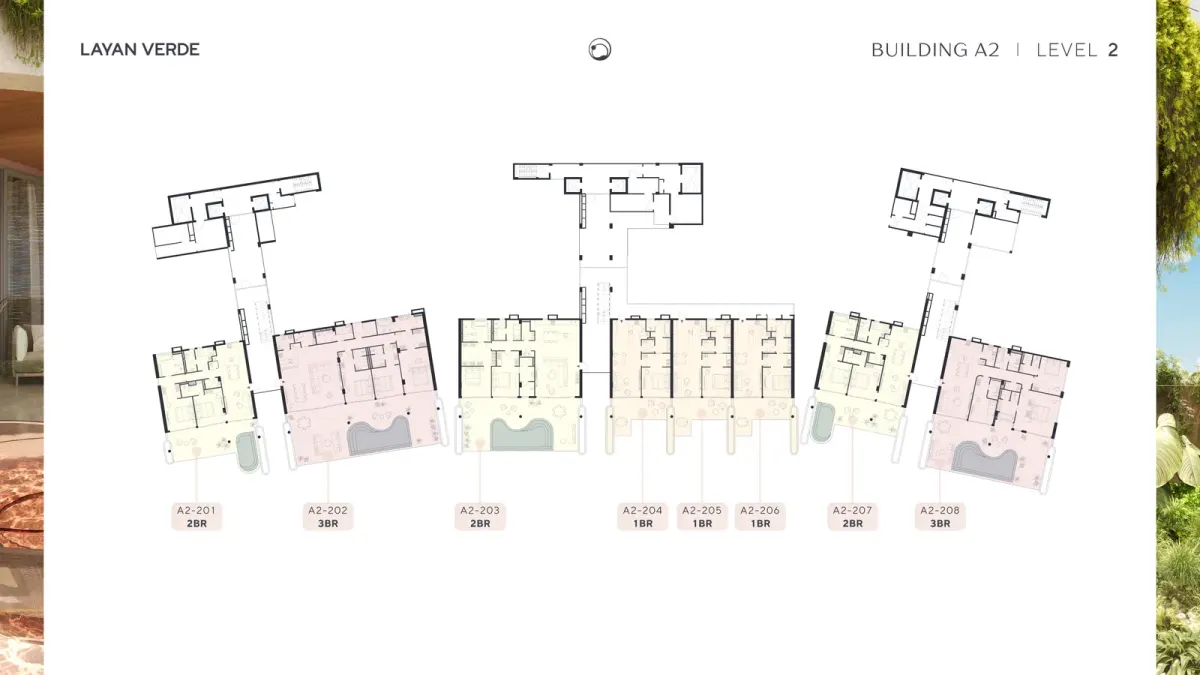
For an overseas owner in Phuket, a useful emergency plan starts with the property layout, the wider project setup, and the local weather pattern. A master-planned development and a clear unit configuration help you ask the right maintenance questions before a problem becomes urgent.
Phuket has a tropical monsoon climate, with most annual rain typically falling from May through October and often peaking in September and October. If you will own from abroad, it makes sense to confirm how routine upkeep, inspections, drainage checks, and urgent response are handled during wetter months.
In brief
- Start with what you can verify remotely: the project master plan, your unit layout, site access, and which issues belong to your apartment versus shared areas.
- Because Phuket’s rainy season can bring short, heavy downpours, ask how the property team handles drainage checks, water ingress, and urgent inspections during monsoon periods.
- If you are buying and owning from abroad, clarify early who receives notices, who can approve non-routine work, and how decisions and documents are handled while you are in the US.
What to do
A practical maintenance and emergency plan from abroad depends on clear roles, not broad assurances. For a property in a planned development such as Layan Verde, start by separating unit-level responsibilities from common-area responsibilities. Review the master plan together with your specific unit layout so you understand what is private, what is shared, and where building access may be needed for checks or repairs.
Next, shape your checklist around Phuket’s weather pattern. The island’s coastal climate includes a defined rainy season, and stronger storm periods are linked to the southwest monsoon. For a remote owner, that makes it important to ask about preventive work before wetter months, response steps during heavy rain, drainage monitoring, and how the site team escalates issues when weather affects the wider area.
Finally, make sure the process still works when you are not in Thailand. If documents and purchase steps can be handled remotely, the same discipline should continue after handover. Confirm the main contact person, which repairs require owner approval, how updates are recorded, and how personal data or sensitive documents are shared across borders. A written process is easier to manage than ad hoc decisions during an emergency.
What to keep in mind
One of the main risks in overseas ownership is that severe weather does not follow your schedule. Materials tied to Phuket’s climate point to a marked rainy season and note that even where drainage and roads are designed for normal monsoon conditions, unusually heavy events can still overwhelm local systems. That makes it important to verify procedures for exceptional weather, not just standard maintenance.
This page is most useful if you want a practical framework for checking how a Phuket apartment could be maintained while you remain based in the US. It is less useful if you need legal, tax, or insurance conclusions, because those depend on your ownership structure, contract terms, and policy wording and should be reviewed with qualified professionals.
Available project material supports a careful planning approach rather than a detailed service promise. Public Layan Verde material confirms a master-planned project, shows unit configurations, and states that payment plans can be tailored with an initial payment from 35 percent. Those points may help organize your ownership discussions, but they do not replace confirming maintenance scope, emergency contacts, and approval rules in writing.