
Thailand title deed due diligence for condo purchase
What this page covers
Thailand title deed due diligence for condo purchase
Buying a condo in Thailand from the US starts with understanding the title deed that sits behind the project land and building. This page is part of the Phuket Real Estate Buyer & Owner Community and uses Layan Verde as a case study to show how to think about title checks and ownership structure.
Here the focus is on what a careful overseas buyer should review around the land title, foreign ownership quota, and basic legal due diligence before committing to a condominium purchase in Phuket, especially when you are researching or reserving a unit remotely.
In brief
- Title deed due diligence means checking how the project land is owned, what type of title deed is registered, and whether it is legally suitable for condominium construction before you buy a unit.
- For a condo purchase, you also need to understand how the 49 percent foreign ownership quota works and how your specific unit can be registered within the allowed foreign freehold share.
- Within the Phuket Real Estate Buyer & Owner Community, due diligence is treated as a mandatory step in any Layan Verde or wider Phuket condo scenario, helping buyers and owners identify hidden risks before they proceed and discuss them with their own advisors.
What to do
In this community, due diligence is described as a structured legal, financial, technical, and market review of a real estate asset before you commit to a transaction. Applied to a Phuket condominium, that means looking beyond marketing materials and checking how the project is structured, who owns the land, what type of title deed is in place, and how foreign buyers can be registered. For Layan Verde, this is presented as a standard part of the ownership journey rather than an optional extra.
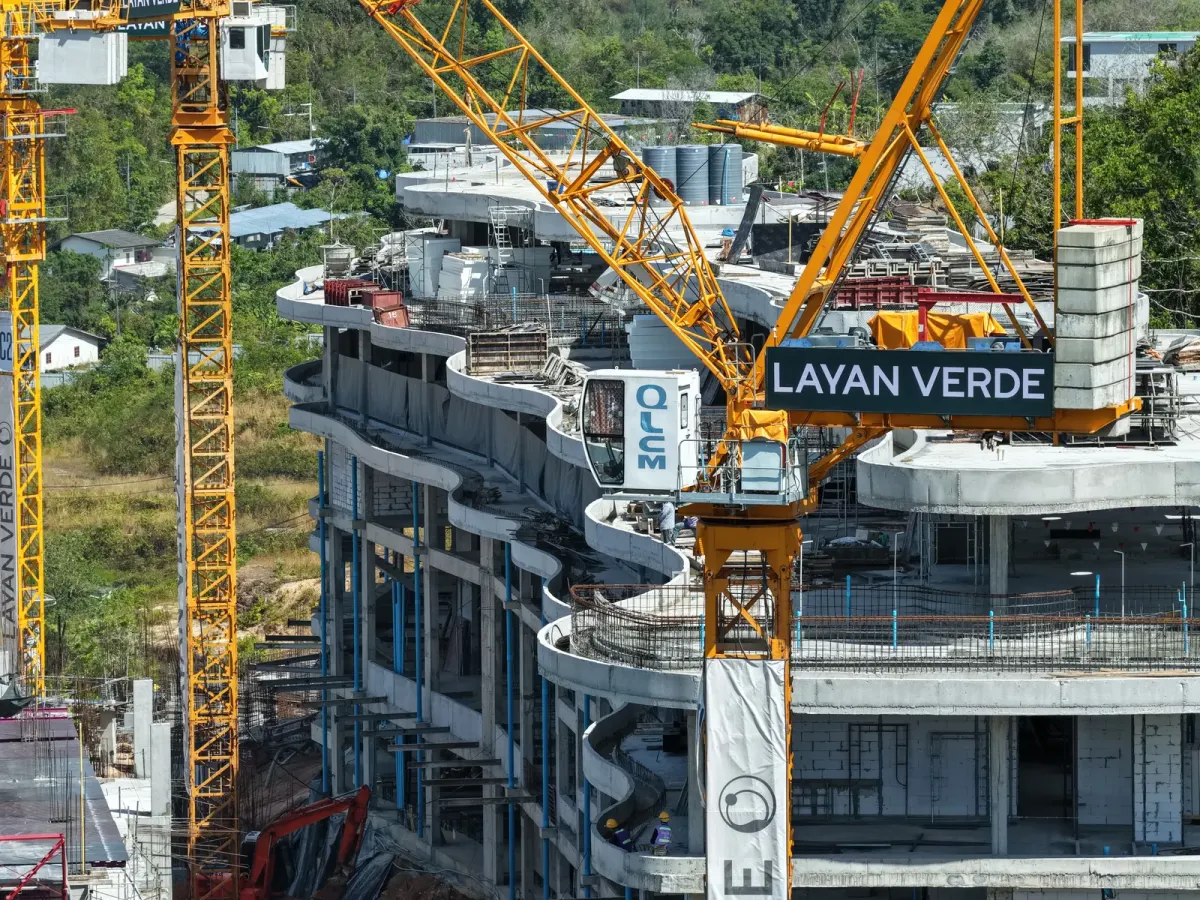
The community uses Layan Verde, a resort real estate development in the Bang Tao and Layan area of Phuket, as a practical case study. The project offers premium and luxury apartments, penthouses, and resort-style amenities designed for personal residence, second-home use, and rental-management scenarios when supported by official materials. Title deed due diligence helps buyers connect this lifestyle product with the underlying legal status of the land and building that support it.
For US-based buyers researching remotely, the goal of title deed due diligence is to surface hidden risks and structural issues early. That includes understanding the land title category behind the project, how the condominium is registered, and how the foreign quota is managed in practice. A structured due diligence report, prepared for the project and referenced in the community, is intended to give a current view of these points so you can review them with your own legal and tax advisors and make a more informed decision about a Phuket condo purchase.
What to keep in mind
In the Phuket context, one of the core checks is confirming that the project land is owned freehold by the developer and that it carries a full Chanote title. Chanote, also referred to as Nor Sor 4 Jor, is widely viewed as the highest-grade land title, with surveyed boundaries and full transferability, and is generally preferred for major developments. This contrasts with lower-grade titles such as Nor Sor 3 or Sor Kor, which can carry risks and may even forbid condominium construction on a particular site.
A practical step in title deed due diligence is to obtain a recent copy of the official title deed from the Land Office and compare the registered owner with the seller or developer you are dealing with. On the reverse side of that title, you can see whether there are registered encumbrances such as mortgages, long leases, easements, or court and tax liens. Identifying these items early helps a buyer understand what rights already exist over the land and whether they align with the proposed condominium structure.
For condominium buyers, freehold ownership also depends on the 49 percent foreign quota. As part of due diligence, a developer should be able to provide a recent confirmation letter from the condominium juristic association stating that registering a specific unit to a foreign buyer will not exceed this cap. Buyers who are not comfortable reviewing such documentation themselves typically rely on professional advisors, and within this community due diligence is framed as a required step for any serious purchase, including in projects like Layan Verde.