
Buy property in Thailand
What this page covers
Buy property in Thailand
Buying property in Thailand as a US-based buyer is realistic if you follow Thai regulations and use a clear, documented process. Laws such as the Condominium Act and related government guidance define what foreign buyers can own, how funds must be transferred, and how a compliant purchase should be structured.
Instead of relying on informal advice, you can base each stage of your purchase on official rules and specialist analysis. This is especially relevant if you are considering a condominium or resort residence in Phuket, such as Layan Verde, while staying in the United States and handling most of the process remotely.
In brief
- You can buy property in Thailand from the US by following Thai regulations, including the Condominium Act, which set out how foreign buyers may own a condominium or resort residence and how foreign currency must be handled.
- Specialist commentaries and real-estate analyses help interpret these rules so that your reservation, contracts, and registration steps are grounded in documented guidance rather than informal arrangements.
- A professional team can organize one-on-one online meetings, prepare the required documents remotely, and help you choose convenient payment methods in major currencies, so you can move forward from the US with a structured, transparent plan.
What to do
When you look to buy property in Thailand from the United States, the starting point is understanding that your purchase must fit within Thai law. Regulations anchored in the Condominium Act and related government materials define what types of units foreigners can own, how foreign currency should be brought into Thailand, and what documentation is needed for registration with the authorities.
To turn these rules into practical steps, it helps to rely on expert commentaries and real-estate media that reference official regulations. They explain how to reserve a unit, pay a deposit, review contracts with qualified advisors, and complete the transfer so that each factual point is backed by one or more authoritative sources, rather than word of mouth or informal promises.
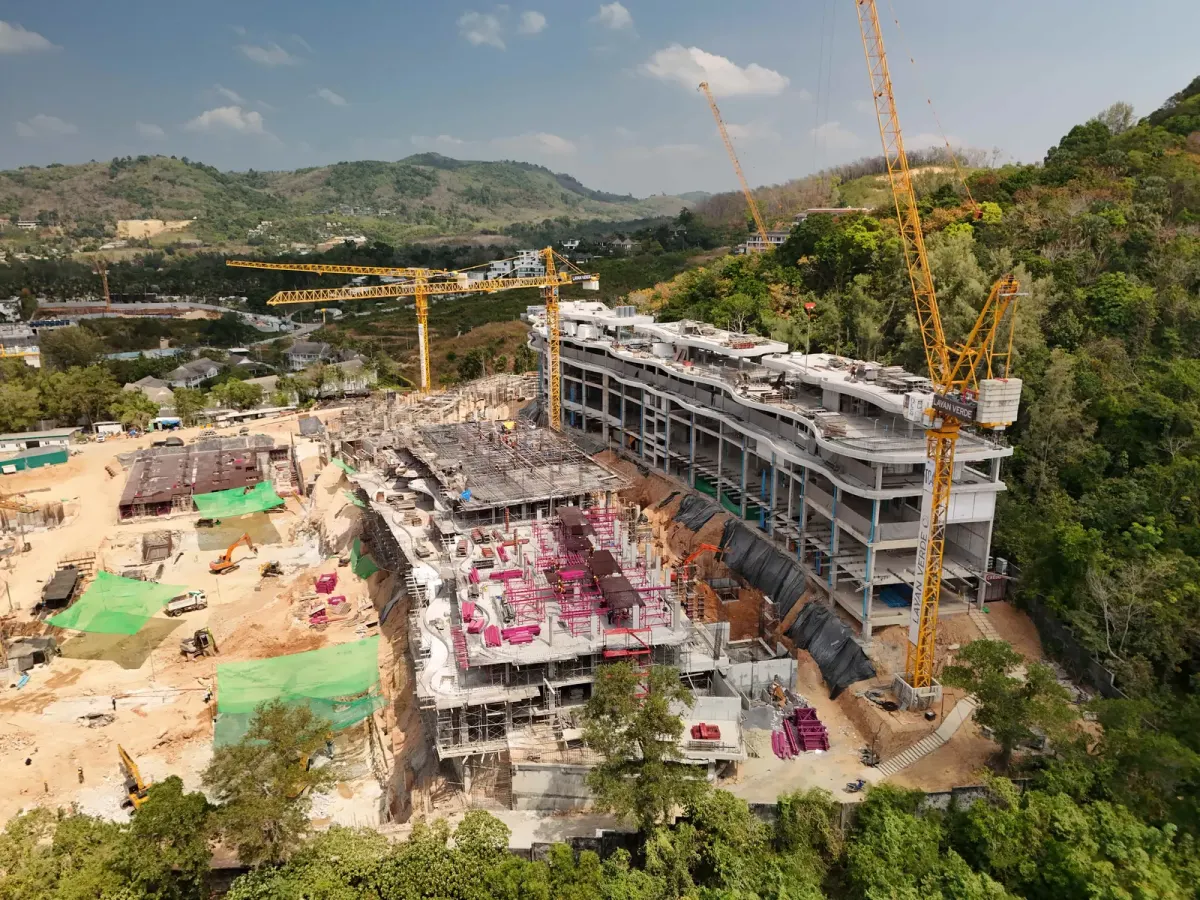
For a specific project such as Layan Verde in Phuket, a dedicated team can support you remotely. They can arrange a one-on-one online meeting, prepare the necessary paperwork in advance, and help you select a suitable payment method in your preferred currency. All visualizations and layouts are approximate, and the developer reserves the right to make changes to the project in line with applicable legislation, so final decisions should always be based on current, confirmed documentation.
What to keep in mind
Buying property in Thailand as a foreigner is governed by detailed rules and active oversight. Thai government–anchored regulations, including the Condominium Act, set conditions for foreign ownership, the handling of foreign currency, and the information that must be recorded with the authorities. Each factual claim about what is allowed should be traceable to these regulations or to expert analysis that cites them.
Because of this framework, the process is most suitable for buyers who are comfortable following a documented, regulation-aware path. You should expect to work with clear reservation and purchase agreements, understand how deposits and staged payments are treated, and check that every key step is supported by professional commentaries or official guidance, rather than informal side arrangements.
If you intend to rent out your Phuket property, you will typically sign a rental agreement with a management company. The company may pool available units, rent them out, and then distribute each owner’s share of income at the end of a reporting period. Payment plans may start from an initial payment of around 35 percent of the purchase price and be tailored to your preferences, but all such terms, as well as project visuals and layouts, are indicative only and do not constitute a public offer. The developer may adjust the project in accordance with applicable legislation.