
Buying a condo in Thailand
What this page covers
Buying a condo in Thailand
Buying a condo in Thailand from the US starts with deciding where you actually want to live or spend time. In Phuket, areas like Bang Tao and nearby Layan offer very different day-to-day experiences, from walkable mixed-use zones to quieter villa-style surroundings, and this will shape how you use your condo.
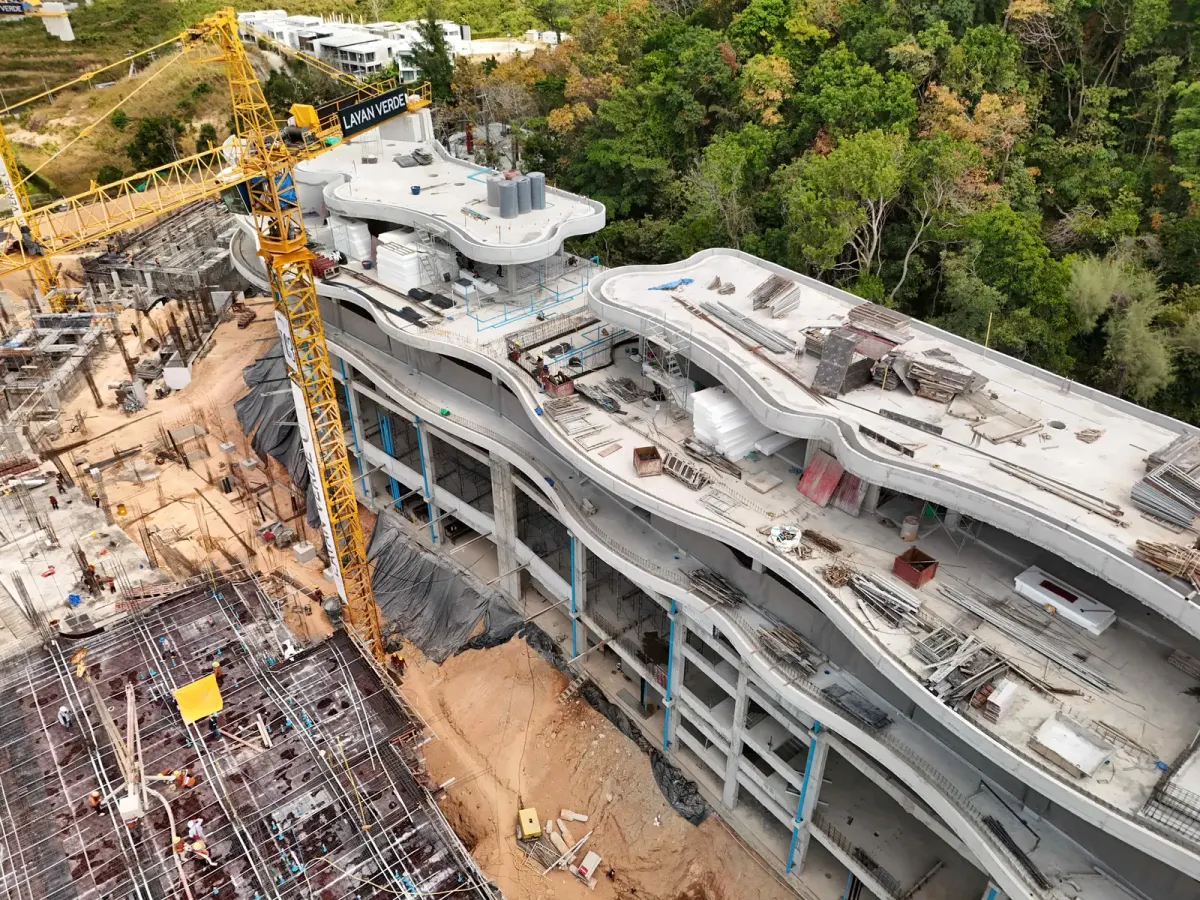
Bang Tao is a developed corridor around the Laguna resort and the shopping hubs of Boat Avenue and Porto de Phuket, where everyday life is woven into a resort and tourist setting. Close by, Layan is much quieter, with low commercial density and more of a luxury-villa atmosphere, so using a real project in this area as a case study can help you decide which setting fits you best.
In brief
- US-based buyers looking at condos in Thailand should first decide what kind of Phuket lifestyle they want: a busy, walkable resort corridor like Bang Tao, or a quieter, greener enclave like Layan with fewer commercial buildings.
- Because Thailand’s property environment is different from the US, it helps to anchor your research in a specific, well-documented project. Studying one development in detail makes it easier to compare locations, amenities, and real daily-life patterns across other condos.
- Before you move forward, use official Thai channels such as the Entry Thailand portal for travel-related information, and plan to speak with local legal and insurance professionals so you can verify ownership, documentation, and risk coverage for any condo you consider.
What to do
A practical way to approach buying a condo in Thailand is to start with location logic rather than floor plans. In Phuket, Bang Tao and Layan serve different buyer profiles: Bang Tao is a deep, mixed-use estate area with a resort atmosphere and strong tourist infrastructure, while Layan is essentially a luxury villa enclave that is quieter, greener, and less commercial. Clarifying which of these environments you prefer will narrow your condo shortlist quickly.
Once you have a target area, focus on how daily life will actually work. In Bang Tao proper, much more of daily life can be walked or reached with short drives, with international groceries and dining at Boat Avenue or Porto de Phuket close to many condos. Families often pay attention to the fact that Phuket’s main international schools are clustered around Cherngtalay and Bang Tao, while a home in Layan usually means a longer commute that typically requires private transport.
Beyond lifestyle, think carefully about climate and risk. Phuket has a rainy season, and buyers commonly ask whether monsoon rains disrupt living, whether villas or condos can flood, and how easy it is to get insurance. Standard practice is to verify what Thai insurers cover for monsoon-related events such as flash floods or landslides, check whether any condo fees include hazard coverage, and read policy exclusions closely. Because public data on local insurance rates is limited, prospective buyers are generally advised to consult licensed brokers and local legal or insurance experts rather than rely on assumptions.
What to keep in mind
Buying a condo in Thailand is achievable for overseas buyers, but it is not a frictionless, one-click purchase. You will be dealing with a different legal system, local regulations, and documentation standards, so you should expect to confirm how foreign ownership works in a specific building, how funds must be transferred into Thailand, and what paperwork your bank and Thai authorities will require.
Not every Phuket condo or neighborhood will suit every US buyer. A mixed-use resort corridor like Bang Tao, where everyday life is integrated into a tourist environment, may appeal if you want easy access to shops and restaurants and the option to keep driving distances short. By contrast, a quieter, low-density area like Layan may be better if you value privacy and greenery, but it usually involves longer drives to schools, shopping, and some services.
Risk and protection also deserve realistic attention. Monsoon-related questions about flooding, landslides, and storm damage are common, and there are no blanket guarantees. Buyers typically ask whether condo fees cover flood insurance or whether a separate policy is needed, and local advisors emphasize reading policy exclusions carefully. It is sensible to check historical flooding in the specific Bang Tao or Layan area, review any developer disclosures or drainage plans, and consult licensed insurance and legal professionals before you commit to a purchase contract or long-term ownership plan.