
Can a Foreign Buyer Own the Building but Not the Land in Thailand?
What this page covers
Can a Foreign Buyer Own the Building but Not the Land in Thailand?
In Thailand, foreign buyers generally cannot own land outright, so a house or villa purchase is usually based on land-use rights rather than direct land ownership.
That is why buyers should separate the rights tied to the land, the building, and the contract, then compare them with title records and the official building permits for the specific property.
In brief
- For most foreign buyers, direct freehold ownership of land is not the standard route when buying a house or villa in Thailand.
- A common structure is a registered land lease, which gives use rights for a defined term but is not the same as owning the land itself.
- For any Phuket project under review, ask to see the official construction permits for each phase and building, including the approved type, floors, area, and related details.
What to do
The key question is not only whether a foreign buyer can buy a property, but what rights are actually being acquired. In Thailand, foreigners generally cannot own land outright, so it is important to distinguish between rights over the land, rights connected to the building, and rights created by the purchase and lease documents.
For private houses and villas, long-term lease structures are commonly used instead of direct land freehold. Registered lease contracts are often written for 30 years and may include options to renew for additional terms. They should be registered at the Land Department to help define and support the buyer’s use rights during the lease term.
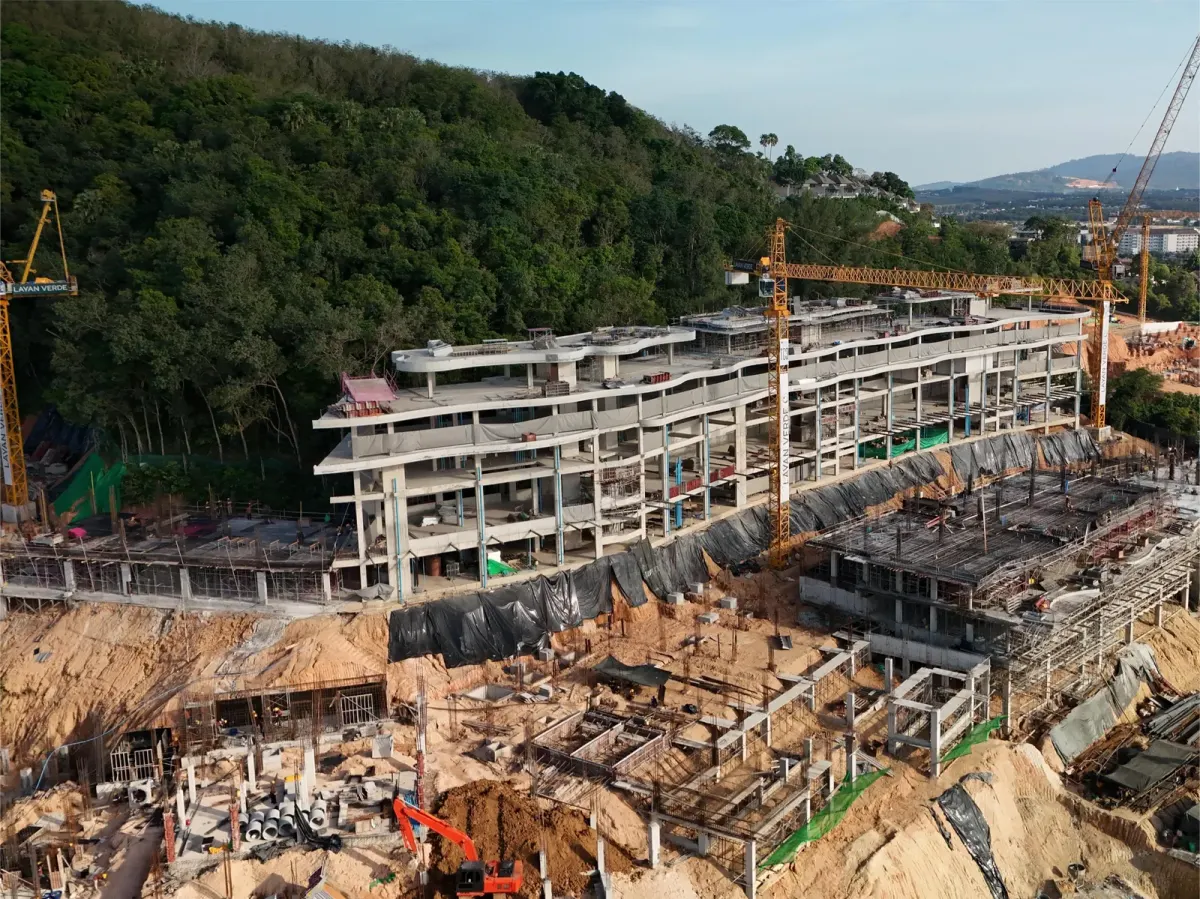
Project documentation matters as well. Layan Verde states that each phase and building has its own official construction permit, and each permit specifies the building type, number of floors, area, and other characteristics. Reviewing those permits can help a buyer confirm what has been formally approved for the property being considered.
What to keep in mind
The legal baseline is restrictive. Foreign nationals generally cannot own land outright in Thailand except under narrow exceptions, and those exceptions are tightly conditional. In practice, most private house or villa purchases by foreigners use leasehold arrangements instead of direct land title ownership.
This means land-use rights should not be confused with land ownership. A registered lease can provide the right to use a defined land plot for the agreed term, but it does not transfer freehold ownership. Leaseholds also expire, so any continued use after the term depends on a further agreement rather than an automatic right.
Due diligence should stay focused on documents and property classification. Buyers should confirm whether the property is a condominium, house, or villa, verify the title type, and review the relevant official records. For a Phuket development, it is also sensible to check the construction permits for the relevant phase and building to confirm the approved details.