
How americans research phuket property from us
What this page covers
How americans research phuket property from us
Americans often start Phuket property research from home by learning the west coast layout. Bang Tao is a long, quieter beach, while Layan is a smaller, peaceful bay at its northern end.
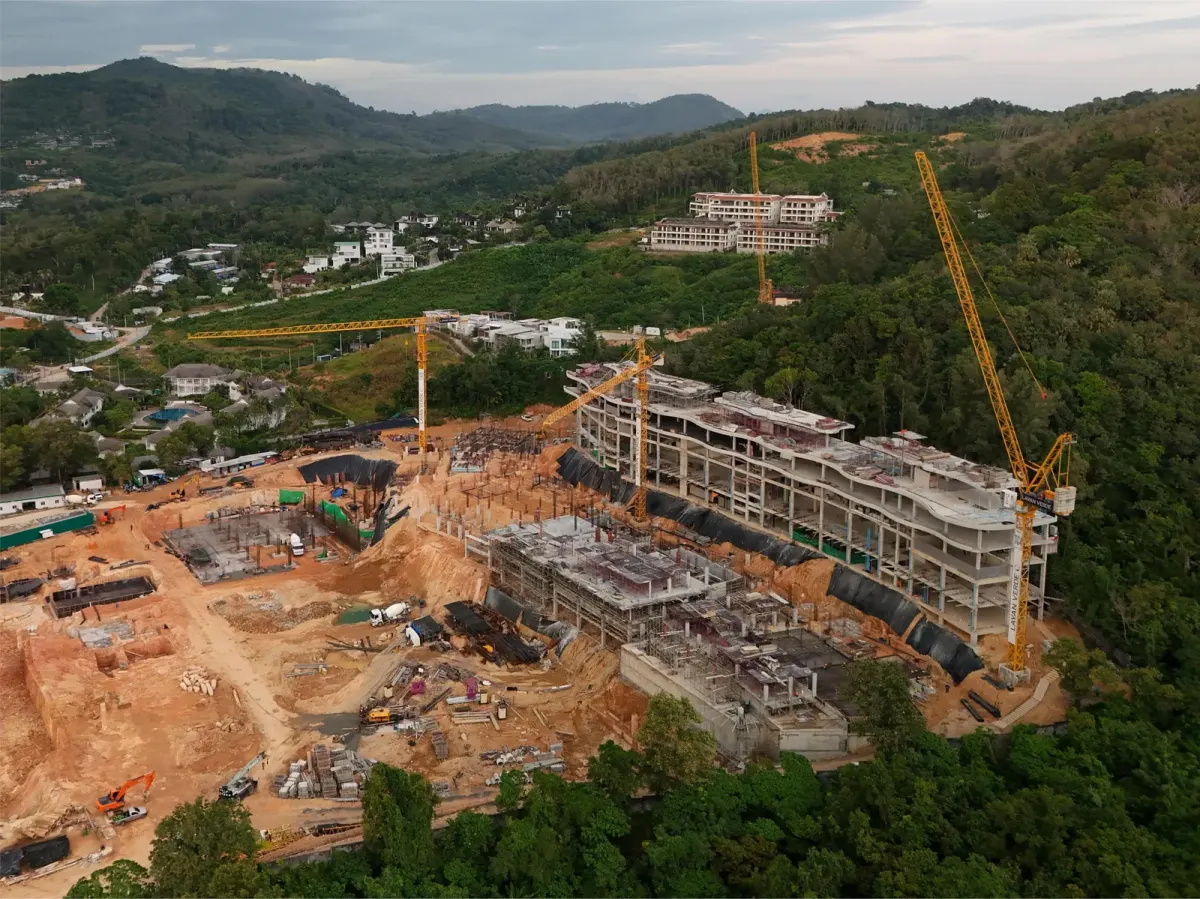
From there, research can narrow to projects such as Layan Verde, where buyers review the elevated setting, sea-view orientation, green terraces, walking paths, water features and resort-style landscape.
In brief
- Start with the area logic. Compare Bang Tao’s long beach and Layan’s smaller northern bay with busier parts of Phuket to decide whether the calmer west coast setting fits your plans.
- Then review project-level details such as architecture, landscaping, elevated siting, walking paths, water features, parking and how the design connects daily living with the surrounding environment.
- Build a practical checklist early. Include foreign ownership rules, the condominium foreign quota, legal review, US tax questions, monsoon season, drainage and what to check before a viewing trip.
What to do
A useful first step from the US is to study the geography before comparing individual units. Bang Tao runs along an eight-kilometer crescent on Phuket’s west coast. Layan Beach is a smaller 600–800 meter bay at the northern tip, separated by a green headland and lagoon outlet. This explains why the area is often viewed as quieter and more relaxed than Phuket’s busier beach zones.
Once the location makes sense, move into project research. Layan Verde is presented around cascading architecture, panoramic Andaman Sea views and integration with the natural landscape. Described features include 305 plant species, 1,500 meters of walking paths, cascading ponds, infinity pools, relaxation areas, a 4,500 meter watercape and more than 700 parking spaces for residents and guests.
Remote research should turn these details into clear questions. Ask how the elevated ground affects ventilation and sea humidity, how vertical gardens and floor-to-ceiling windows shape daily living, and which materials, layouts, services and management practices matter most before scheduling calls, video tours or an on-site visit.
What to keep in mind
American buyers should treat the legal structure as part of early research, not a later formality. US and other foreign nationals must follow Thai property rules. Foreigners generally cannot own land directly, and freehold condominium ownership is limited by the foreign quota in a building. It is sensible to involve an experienced Phuket lawyer early for title searches and contract review.
US obligations also need attention. Owning foreign property, or receiving rental income from it, can raise US reporting or tax questions. The cautious approach is to discuss your personal situation with a qualified US tax adviser before making assumptions about how overseas ownership will be treated.
Climate and distance are practical issues to review from the US. Phuket has a tropical monsoon climate, with heavier rain roughly from May through October and drier months roughly from November through April. Developers in the Laguna and Layan Bay area typically design drainage and roads for normal monsoon conditions, but very intense storms can still strain local systems. Elevated siting, drainage, maintenance and access should be checked carefully.