
Layan beach phuket property
What this page covers
Layan beach phuket property
Layan Beach is a quieter Phuket beach area known for white sand, clear water, and a more natural setting away from the island’s busiest resort zones.
For US buyers researching property near Layan Beach, the appeal is the mix of west-coast lifestyle, nearby services, and project examples such as Layan Verde in the Bang Tao / Layan area.
In brief
- Layan Beach property is most relevant if you want a calmer west-coast Phuket setting rather than a dense, highly commercial beachfront district.
- The surrounding area offers access to international schools, private clinics, upscale shopping, fitness centers, restaurants, and other daily-use services.
- Layan Verde can be reviewed as a project case study for layouts, landscape planning, architecture, and resort-style community design, while ownership details should be checked independently.
What to do
When you evaluate Layan Beach Phuket property, start with the setting. The area is known for a quieter natural beach environment, with white sand and clear water. It is generally a better fit for buyers who value calm surroundings over the energy of Phuket’s busiest resort strips.
Next, consider how the wider Bang Tao, Layan, and Cherng Talay area supports real use. Nearby schools, clinics, shopping, fitness, restaurants, and services matter if your plan includes longer stays, family visits, remote work, or repeated seasonal use from the United States.
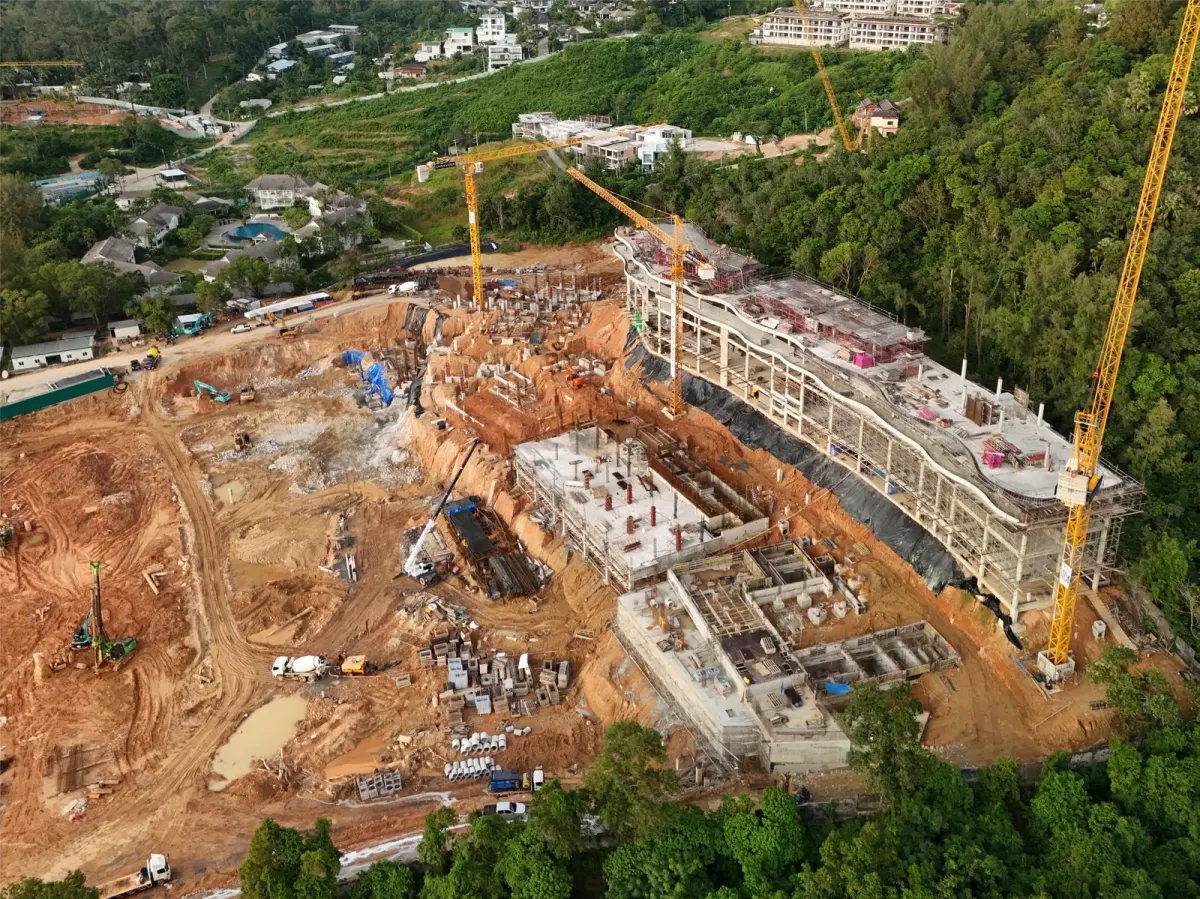
Within this context, Layan Verde is positioned as a resort real estate development in the Bang Tao / Layan area. The project is described as offering a wide range of layouts, from apartments to private residences, with landscape-led planning and architecture designed to connect with the natural environment.
What to keep in mind
A quieter beach setting does not automatically mean direct beachfront ownership or unrestricted coastal development. Thai building rules, shoreline access, road access, and the exact property location should all be checked before relying on general beach-area descriptions.
For US-based buyers comparing Phuket with other beach destinations, the practical questions go beyond climate and amenities. Common review points include foreign ownership structures, legal documents, remote management, travel logistics, and whether the community feel matches your intended use.
Layan Verde has project-specific claims around layout choice, landscape planning, bionic architecture, hospitality infrastructure, and green-building positioning. Even so, suitability depends on your goals, budget, document review, legal and tax advice, and comfort with owning property from abroad.