
Questions to ask phuket property developer
What this page covers
Questions to ask phuket property developer
When you speak with a Phuket property developer, ask for clear written answers on what is fixed, what is approximate, and which documents control your purchase.
Developer materials may say that renderings, layouts, and descriptions are approximate, not a public offer, and subject to lawful changes. Your questions should focus on how that affects the specific unit you are considering.
In brief
- Ask which floor plans, site maps, specifications, and finish schedules are current, and whether those versions will be attached to your reservation or purchase documents.
- Ask how project changes are approved, communicated, and documented, especially if renderings, layouts, amenities, or specifications differ from the final delivered property.
- Clarify the payment plan, installment dates, escrow conditions, handover timing, and delay terms before relying on promotional claims or sales summaries.
What to do
Start by asking how the developer separates marketing materials from binding contract terms. If project materials state that they are not a public offer, ask where the legally relevant details will appear and which signed documents will govern the unit, layout, specifications, and delivery obligations.
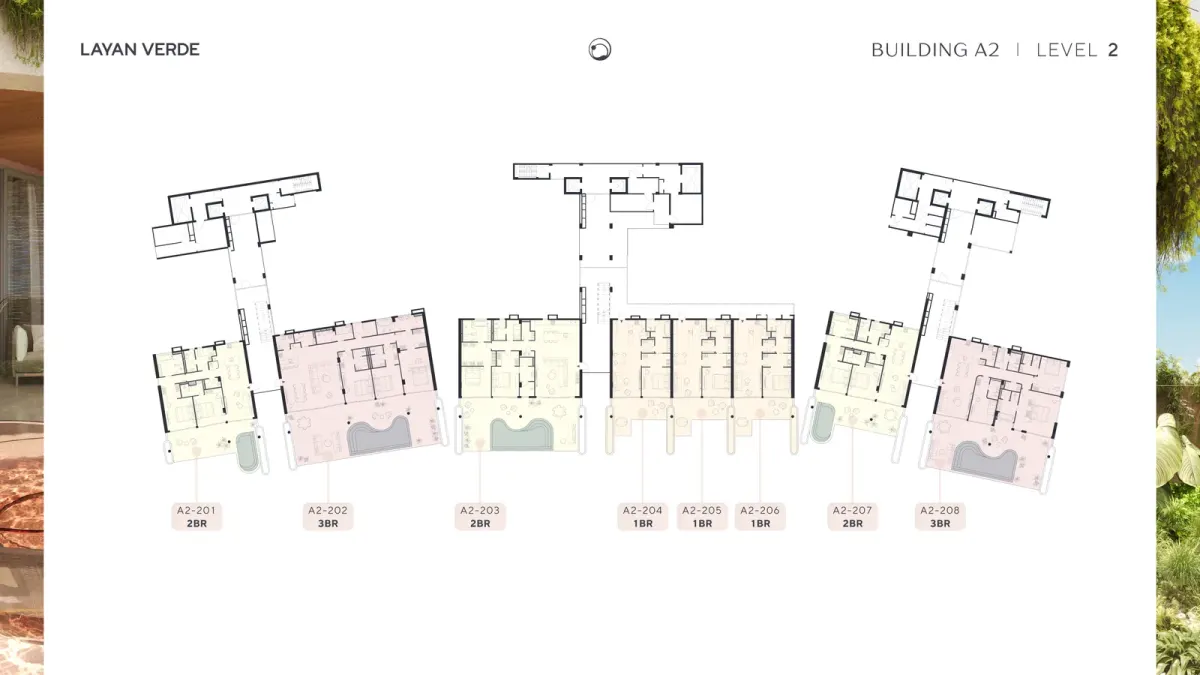
Next, request the practical documents that let you compare the marketed property with the purchase package. Useful items include the current floor plan, site map, technical specifications, finish schedule, warranty terms, and any available construction progress materials. If you are buying remotely, ask how updates are shared with overseas buyers.
Finally, ask for written clarification on terms that require extra review. Payment plans, installment timing, escrow conditions, handover dates, and delay provisions should be understood before you sign. Investment-related or rental-related claims should be treated as subject to terms and reviewed with appropriate professionals.
What to keep in mind
The main limitation is that renderings, visualizations, and property layouts may be approximate. A developer may reserve the right to make project changes in line with applicable law, so buyers should not rely only on brochures, sales images, or general descriptions.
For foreign buyers, the due-diligence discussion should also cover ownership structure and legal documents. US buyers researching Phuket should understand that foreign land ownership is restricted in Thailand, while condominium ownership is often discussed as a more common route for foreign buyers.
This page is a checklist starting point, not legal, tax, or financial advice. Before signing binding documents, consider professional review of the reservation agreement, title or ownership details, payment obligations, handover provisions, and any rental return or investment benefit claims.