
Buy condominium in Thailand
What this page covers
Buy condominium in Thailand
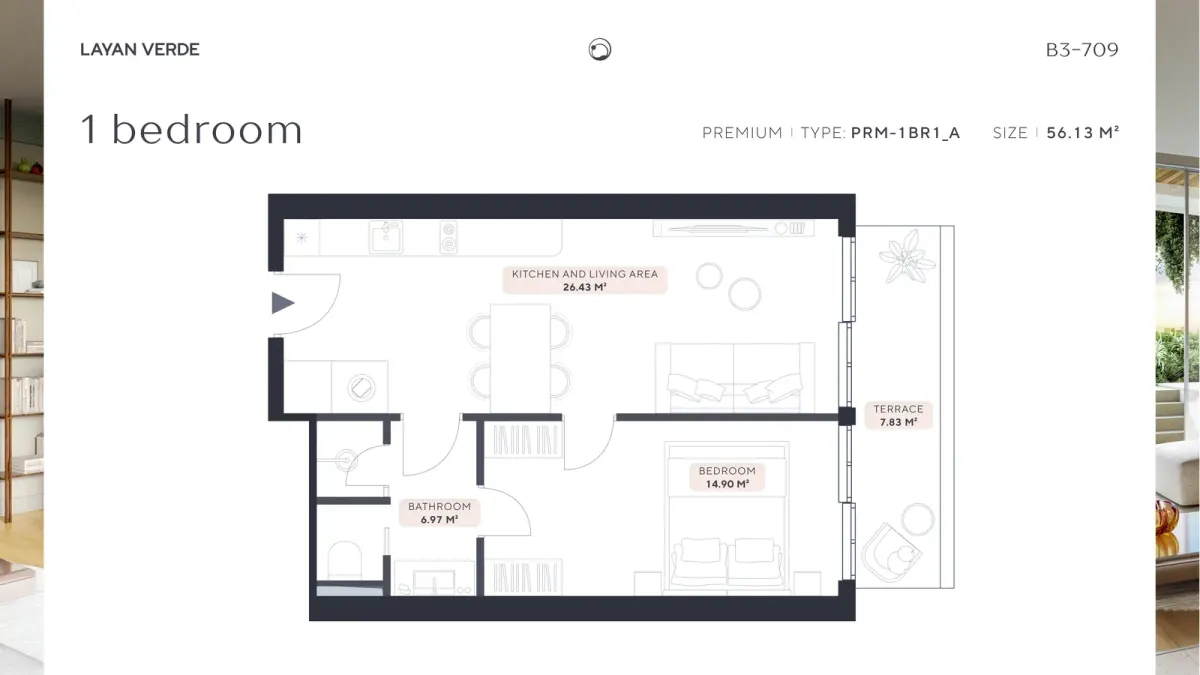
Buying a condominium in Thailand can be attractive for overseas buyers, especially in resort areas such as Phuket. Each project must follow Thai law, and all marketing materials, layouts, finishes, and visualizations are indicative only, not a binding public offer or final specification.
Before you commit to a purchase, review the latest contracts and legal documents with qualified local advisors. Developers may adjust designs, timelines, or conditions to comply with regulations, so always confirm specifications, ownership structure, and payment terms directly with the project team before signing anything.
In brief
- Treat all condo marketing materials in Thailand as illustrative only and base your decision on current legal documents, approved plans, and official project information rather than visuals alone.
- As a foreign buyer, work with local legal and other licensed professionals to review contracts, confirm foreign ownership eligibility, and understand what rights and obligations come with the condominium you are considering.
- Because layouts, schedules, and conditions can change, verify key points such as payment methods, insurance options, and any climate-related risks with the developer and qualified experts before you decide to buy.
What to do
When you explore buying a condominium in Thailand, start by checking that the project is properly structured for foreign ownership and that the documentation you receive is current. Visualizations and property layouts are approximate and may be revised as the project develops, so they should not be treated as a public offer. Ask for the latest contracts, title and permit information, and read any disclaimers that state the developer can make changes in line with applicable legislation.
If you are based overseas, a practical next step is to arrange a one-on-one online meeting with the project team. They can walk you through the purchase process, outline the documents required from your side, and prepare much of the paperwork remotely. During this discussion you can also choose the most convenient payment method and currency, so that transfers are aligned with your banking setup and timing.
Beyond the transaction mechanics, consider long-term factors such as climate, building quality, and insurance when buying a condo in Thailand. Prospective owners often ask how monsoon-season rains are managed, whether there is a risk of flooding or landslides, and what is typically covered by Thai insurers. Standard practice is to verify whether flood and windstorm are insured perils, read policy exclusions carefully, and consult licensed brokers or legal experts, rather than relying on informal assurances, before you finalize your purchase.
What to keep in mind
Buying a condominium in Thailand suits buyers who are prepared to review documents carefully and accept that project details can change. Because visualizations and layouts are approximate, and the developer may adjust the project in accordance with legislation or approvals, it is not ideal for someone who expects every early marketing detail to remain fixed or contractual.
Foreign buyers commonly seek clarity on issues such as foreign ownership quotas, building permits, and exposure to monsoon-related risks. Practical signals of a well-run project include clear disclosures, realistic timelines, transparent ownership explanations, and a willingness to discuss topics like drainage design and insurance expectations, while still emphasizing that buyers must verify these points independently with qualified professionals.
Responsible communication around Thai condominiums avoids guarantees about climate, insurance, rental income, or financial outcomes. Instead, it highlights that all information is subject to change, encourages buyers to check official weather archives, review insurance policies and exclusions, and confirm legal and regulatory aspects with local experts before committing to a condominium purchase.