
Thailand property for sale to foreigners
What this page covers
Thailand property for sale to foreigners
Thailand is open to international buyers, with visa-free entry for citizens of many countries and long-term stay options that make extended visits easier. This framework lets foreign buyers come to Thailand, research the market, and complete property purchases in person or with help from trusted local representatives.
Phuket, Thailand’s wealthiest province, shows why many foreigners look for property here. The island combines natural beauty with an international airport, modern roads, new water transport initiatives, and port upgrades. At the same time, strict planning rules limit development to a relatively small share of the land, so well-located projects can be especially sought after.
In brief
- Foreigners can access Thailand property through defined legal structures, mainly freehold condominium ownership and long-term leases on villas and houses, as long as transactions follow Thai law and are properly documented.
- Thailand supports international buyers with visa-free entry for citizens of many countries, long-term residence programs, and a digital e-visa system, making it easier to visit often, stay longer, and manage a property purchase or ownership from overseas.
- Phuket stands out for foreign buyers thanks to strong tourism, modern infrastructure, and strict development limits, which together support ongoing demand for quality real estate in prime areas such as Bangtao and the wider north-west coast.
What to do
If you are looking for Thailand property for sale as a foreigner, the first step is to understand what you can legally own. Thai law allows non-Thai buyers to hold freehold condominium units in their own name, within a 49% foreign-ownership quota in each building. This gives many overseas buyers a clear, titled asset in a regulated structure that is widely used in destinations such as Phuket.
The broader environment also supports long-term engagement with Thailand. Visa-free entry for citizens of many countries, long-term residence programs, and a fully digital e-visa system make it easier to visit repeatedly, stay for extended periods, and handle property-related matters without constant trips to consulates. For many buyers, this mix of access and clarity around ownership structures is what makes Thailand stand out in Southeast Asia.
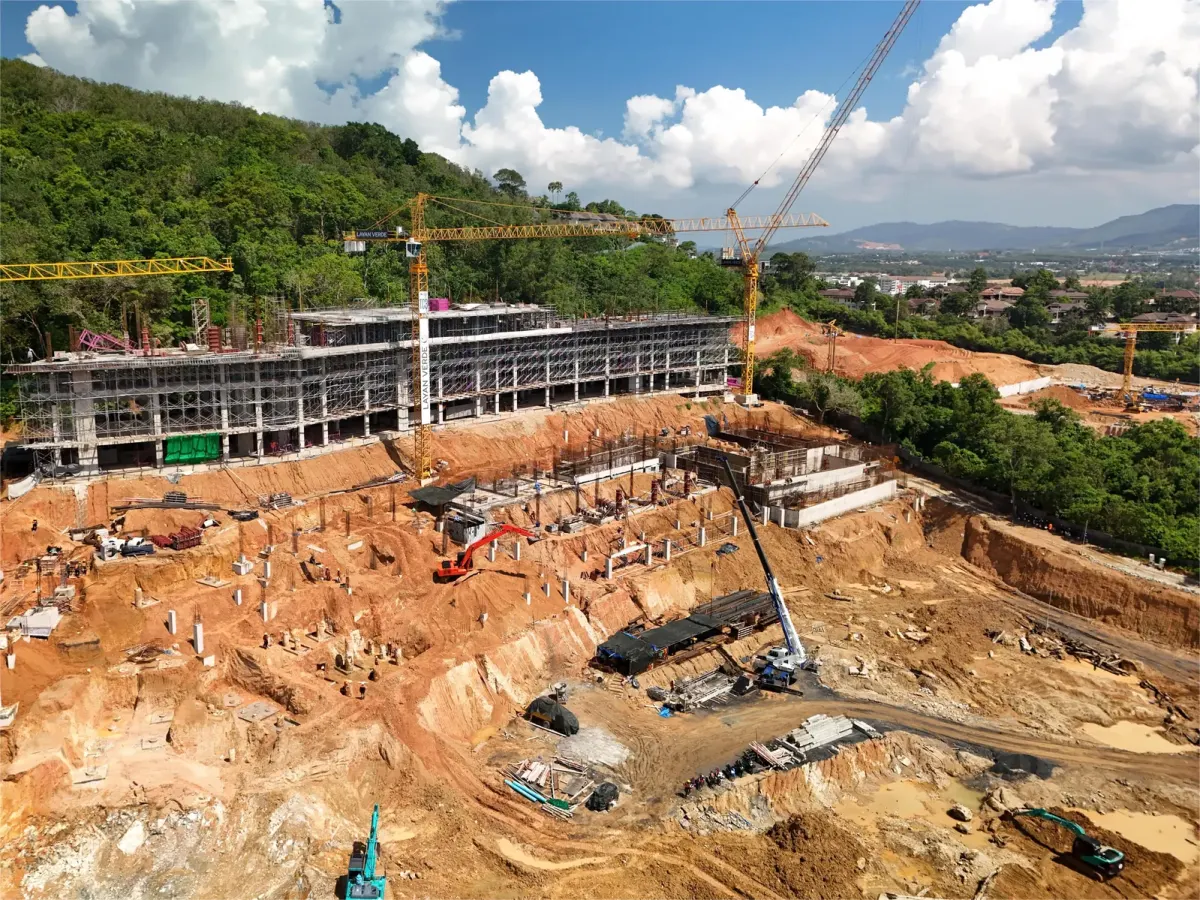
Phuket illustrates how these rules work in practice. As Thailand’s wealthiest province, it combines beaches and five-star resorts with an international airport, upgraded roads, and expanding marine infrastructure. Tourism has grown strongly in recent years, with millions of visitors each year, while strict regulations limit development to a portion of the island. This focuses demand on a finite supply of well-positioned projects, especially in established west-coast areas such as Bangtao and Layan.
What to keep in mind
Foreigners considering Thailand property for sale need to work within clear legal boundaries. Current rules do not allow non-Thai individuals to own land outright in most cases, so many foreign buyers focus on freehold condominiums or use long-term leases and compliant company structures for villas and houses. In condominiums, foreign ownership is capped at 49% of the sellable area, which means popular projects can reach their quota and limit new foreign freehold purchases.
Because of these constraints, due diligence and documentation are essential. Guidance for Phuket buyers typically stresses using licensed Thai lawyers or reputable agencies to verify land titles, building permits, construction plans, and developer credentials before signing anything. For condo purchases, funds are usually remitted from overseas in foreign currency, with a Foreign Exchange Transaction form issued by the receiving bank and presented at the land office when registering ownership.
Leasehold and off-plan structures also require careful review. Typical leases can run up to 30 years, sometimes with renewal options, but buyers should ensure that any renewals, payment schedules, and handover conditions are clearly written into contracts and properly registered. Industry experience in Phuket suggests that transactions are generally regarded as safe when buyers insist on transparent paperwork, independent legal checks, and evidence that the project’s approvals and construction progress match what is being presented.