
Villas for sale Thailand
What this page covers
Villas for sale Thailand
When you look at villas for sale in Thailand as a foreign buyer, the key question is not only which property to choose, but which ownership structure fits your goals. In practice, most decisions come down to choosing between freehold and leasehold formats under Thai law.
This community is designed to help overseas buyers understand those options in a clear, practical way. From basic ownership rules to how villas can be structured for foreigners, you can use these pages as a starting point before speaking with qualified local professionals.
In brief
- Foreign buyers in Thailand typically choose between freehold and leasehold structures, each with its own rights, timelines and legal considerations that affect how you can hold a villa or other residence.
- Freehold ownership is usually associated with condominium units, while villas and land are more often accessed through long-term arrangements or structures that must comply with Thai regulations and professional legal advice.
- Before committing to any villa purchase, it is important to understand the ownership format being offered and to have due diligence and contracts reviewed by experienced Thai real estate and legal professionals.
What to do
When you explore villas for sale in Thailand, you will quickly encounter the terms freehold and leasehold. These are the two main ownership formats available to foreign buyers, and understanding the difference between them is essential before you compare locations, layouts or amenities. Each format shapes how long you can hold the property, what you can do with it, and how your rights are documented over time.
Freehold is typically associated with condominium-style ownership, where a foreign buyer can hold a unit in their own name within the legal foreign-ownership quota. Leasehold, by contrast, is a long-term right of use for a villa or house, documented in a lease contract that sets out duration and conditions. For many overseas buyers, the practical choice is between a freehold apartment-style residence and a villa accessed through a lease or compliant structure, so the decision is less about labels and more about how you plan to use the property.
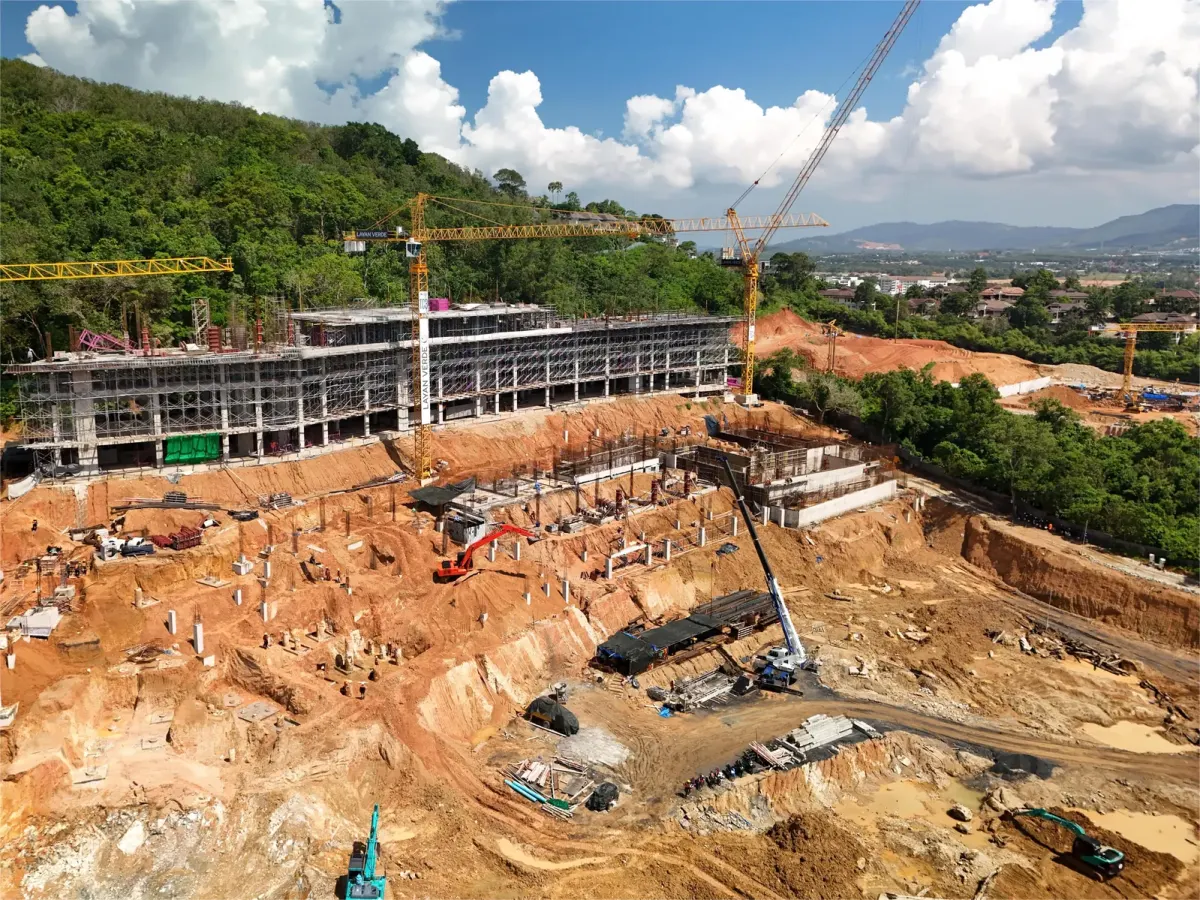
The Phuket Real Estate Buyer & Owner Community uses the Layan Verde resort development in the Bang Tao and Layan area as a case study to illustrate these choices. The project includes resort residences with a range of layouts and amenities, and serves as a practical example of how overseas buyers can think about ownership basics, due diligence and long-term use. By studying a real Phuket project in detail, you can better frame questions for your own villa search elsewhere in Thailand.
What to keep in mind
Thai law bars foreigners from owning land outright, so when you look at villas for sale you are usually accessing the property through long-term leasehold or compliant structures rather than simple land freehold. By contrast, foreigners can own condominium units freehold in their own name, within the 49 percent foreign-ownership quota in each building, which is why many buyers compare a freehold condo to a leased villa.
Typical villa arrangements for foreigners involve lease terms of up to 30 years, sometimes with options to renew, documented in a detailed lease agreement. Because structures and marketing language can vary, it is important to have a licensed Thai lawyer or reputable agency verify the land title, building permits, encumbrances and developer credentials before you sign anything or transfer funds.
For any villa or resort residence, careful due diligence and documentation are essential. Buyers are generally advised to prepare a passport, proof of funds transferred from overseas and a clear Sale and Purchase Agreement, and to have all paperwork checked by verified professionals. This community focuses on education, not legal or tax advice, so you can use it to refine your questions and then work directly with qualified Thai experts on your specific transaction.