
Cost of living phuket second home
What this page covers
Cost of living phuket second home
When you look at Phuket as a second home from the US, the key question is what kind of lifestyle you get for the ongoing costs you are comfortable with. In Bang Tao and Layan, projects like Layan Verde focus on resort-style living with premium finishes rather than trying to be the lowest-cost option.
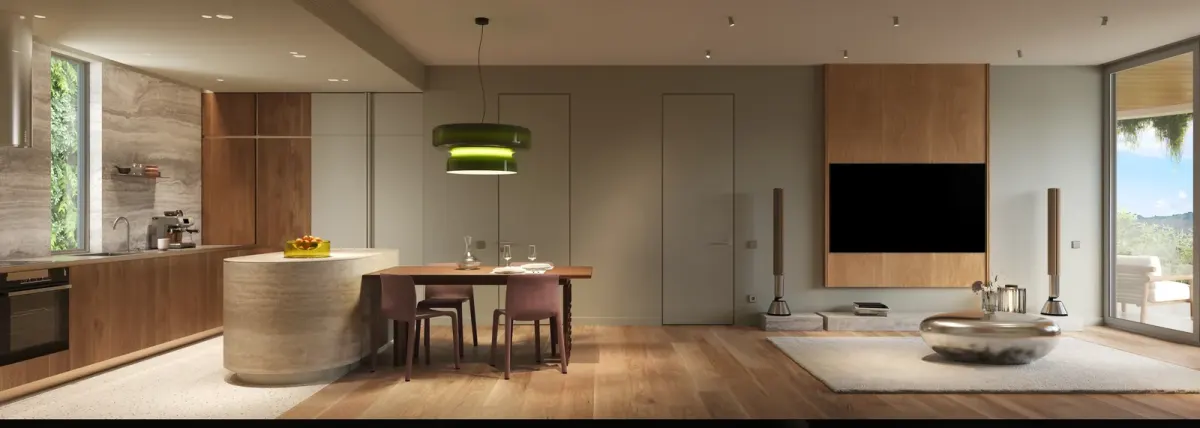
Instead of cutting corners, Layan Verde emphasizes features such as higher-than-typical ceilings, designer lighting, premium furniture and integrated smart home systems. For many US buyers, this shifts the conversation from chasing the cheapest option to deciding what level of comfort and specification they want to budget for over time.
In brief
- Layan Verde is positioned as a premium resort residence in Phuket, with higher ceilings, designer lighting and furniture from suppliers to five-star hotels, so it is aimed at buyers who value comfort and specification more than bare-minimum cost.
- Smart home systems for climate and lighting control, plus automated curtains, are built into the concept. This can help you manage your Phuket second home more efficiently, which matters when you are based in the US and visiting seasonally.
- Beyond the property itself, US buyers should also plan for practical items such as long-haul travel, time zone differences and visa arrangements, which all sit alongside the day-to-day running costs of a Phuket second home.
What to do
For a US-based owner, the cost of living with a Phuket second home is closely tied to the standard of the residence you choose. Layan Verde is designed with ceiling heights up to 2.9 meters, which are higher than many comparable projects in Phuket. This kind of specification typically appeals to buyers who are prepared to allocate budget to a more spacious, resort-style feel rather than a purely cost-driven apartment.
Interior details also influence your long-term experience. At Layan Verde, the concept includes designer lamps that allow a range of lighting choices and premium furniture from manufacturers known for supplying five-star hotels. These choices are about comfort, durability and aesthetics, which can reduce the need for frequent upgrades but do mean you are selecting a premium environment rather than a basic, low-cost fit-out.
Smart home features are another part of the cost-of-living picture. Climate control, lighting scenarios, user device integration and automated curtain systems with configurable schedules are built into the project concept. For an owner who may spend much of the year in the US, being able to manage climate and lighting efficiently can help keep running costs predictable and make it easier to prepare the residence before and after each stay.
What to keep in mind
A Phuket second home is not only about interiors; it also sits within a broader practical context for US buyers. Phuket is roughly a 17–20 hour trip from the US and usually requires connections through hubs such as Singapore, Seoul or Doha. The local time zone (GMT+7), about 12 hours ahead of Eastern time, affects how you plan remote management, calls with local providers and the rhythm of your visits.
Visa planning is another real-world factor alongside your property and lifestyle budget. Common paths for Americans include retirement visas for those over 50 and repeat tourist or business visas, and many buyers either budget for periodic visa runs or use visa services. These are not property costs in the narrow sense, but they are recurring items that sit next to utilities, maintenance and travel in your overall Phuket second-home budget.
Foreign ownership rules and transaction costs in Thailand also matter when you think about the total cost of holding a second home. Foreign individuals typically buy a condominium, where up to 49 percent of the development can be foreign-owned, or use long-term lease structures for houses. All condo purchase funds must be remitted in foreign currency and declared through Thai banks. Taxes can include a transfer fee or stamp duty and a withholding tax on sale proceeds. Because structures and tax outcomes depend on your situation, US buyers are generally advised to engage a reputable local law firm or notary to clarify costs and compliance before committing.