
Move to Thailand vs second home phuket
What this page covers
Move to Thailand vs second home phuket
For a US buyer, there is a clear difference between relocating fully to Thailand and keeping Phuket as a part-time base. A second home lets you tap into the island’s lifestyle and long-term development while keeping your everyday life, work, and tax base in the US.
Phuket’s appeal to international visitors and property owners is growing as Thailand positions itself as a standout regional destination. This supports long-term tourism and second-home use on the island without requiring you to commit to a permanent move.
In brief
- Relocating to Thailand means changing your primary residence and daily life, while a Phuket second home keeps your main base in the US and uses the island for vacations or seasonal stays.
- Phuket is strengthening its position with international tourists and property buyers, which supports the idea of using a well-located resort residence as a long-term second-home base.
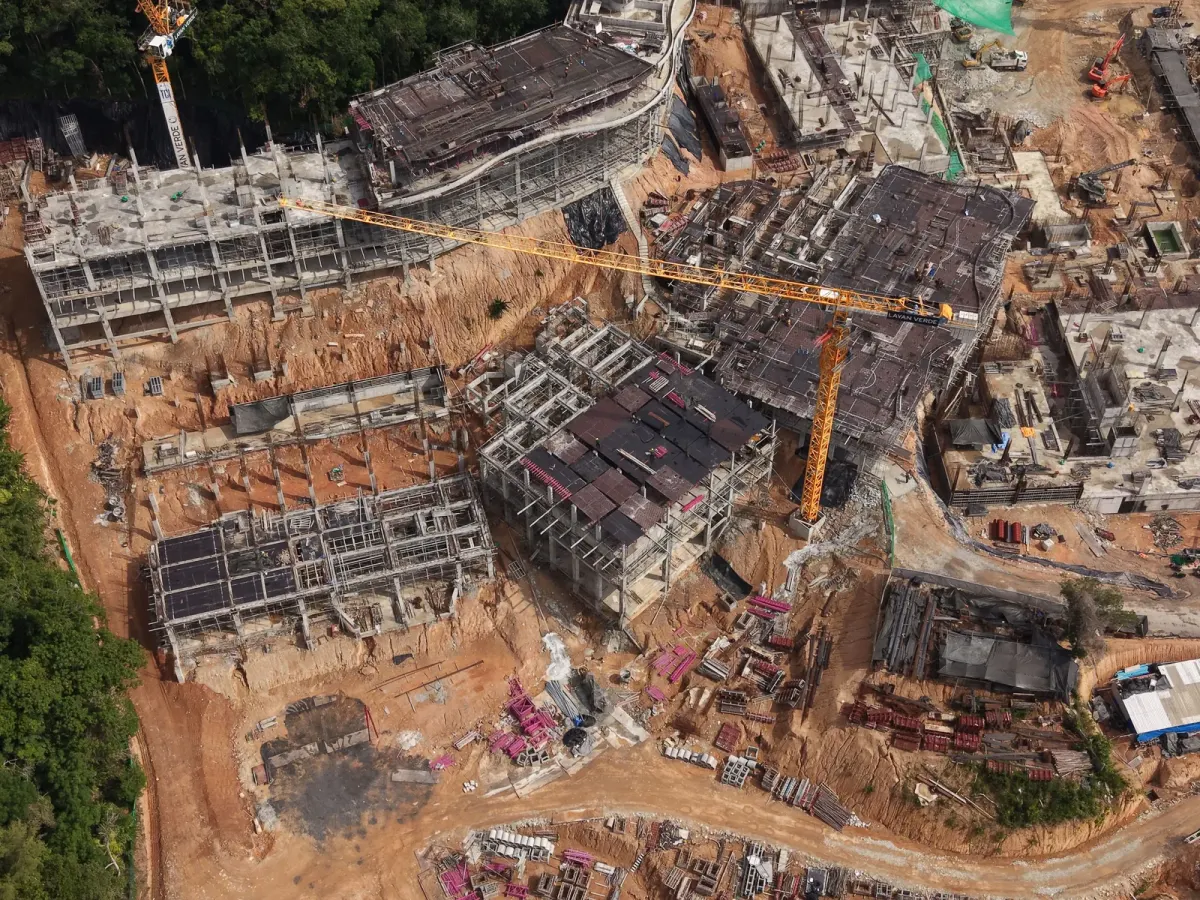
- Projects such as Layan Verde focus on comfort features like high ceilings, premium furniture, and smart-home systems, which suit owners who visit regularly rather than relocate full time.
What to do
When you compare a full move to Thailand with owning a second home in Phuket, it helps to be clear about how you plan to use the property. Many US buyers want reliable access to beaches, restaurants, and services without changing their primary tax, work, and school base in the US. In that case, a Phuket resort residence used as a second home can be a practical middle ground.
Phuket’s role as a leading Thai destination for international tourists and overseas buyers is being reinforced by national initiatives that aim to make the country stand out in the region. This broader momentum supports long-term tourism demand on the island and can be attractive for people who fly in several times a year to use a second home for vacations, remote work periods, or seasonal stays.
Within this context, resort projects such as Layan Verde are designed around day-to-day comfort rather than permanent relocation. Features like ceiling heights up to 2.9 m, designer lighting, premium furniture from suppliers to five-star hotels, and integrated smart-home systems for climate, lighting, and curtains are well suited to owners who want to arrive, settle in quickly, and enjoy a consistent standard of stay on each visit.
What to keep in mind
Choosing between a full move to Thailand and a Phuket second home depends on your family logistics and risk tolerance. If school calendars, US work hours, and long-haul travel are major constraints, using Phuket as a second-home base may be more realistic than relocating, as you can plan defined trips instead of restructuring your entire life around a new country.
US buyers also need to be comfortable with foreign-ownership rules, property structures, and budget trade-offs. Synthetic buyer profiles show how easy it is to feel overwhelmed by unit types, views, and price points, and to be unsure which layouts really fit a defined budget or visiting-family pattern. A resort residence like Layan Verde can be more suitable for those who want clear choices on layout, size, and view, and who are ready to discuss specifics with the project team.
A Phuket second home will not suit everyone. If you expect to live in Thailand year-round, manage local schooling, or run a business on the ground, you will face a different set of legal, tax, and lifestyle questions than a part-time owner. In all cases, you should speak with qualified legal and tax advisers about ownership structures and cross-border implications, and then use project-level information on finishes, smart-home systems, and amenities to decide whether a resort residence matches how you plan to use the property.