
Phuket property management from abroad
What this page covers
Phuket property management from abroad
Owning a Phuket apartment while living overseas is easier when the project is built for centralized operations. Layan Verde is presented as a resort-style development with residences, hotel elements, retail areas, and supporting infrastructure.
For an overseas owner, the key question is not only the apartment itself. It is how the unit is maintained, rented, and reported on while you are outside Phuket. Project materials describe a professional management and rental pool structure for that purpose.
In brief
- Layan Verde’s rental pool model begins with an agreement between the owner and the property management company, including a 30-day annual owner-use reserve from May to October.
- Apartment units are grouped into pools by type, such as studios in one pool and one-bedroom units in another, with income and costs allocated across the units in that pool.
- The management company calculates rental income for each pool, deducts expenses, and determines net profit at the end of the accounting period, so owners do not manage each guest stay directly.
What to do
If you live in the US or elsewhere outside Thailand, review the management structure as carefully as the floor plan. Layan Verde is presented as an integrated Phuket project with hotels, residential buildings, shopping areas, and supporting infrastructure, which supports a centralized operating model instead of fragmented individual management.
The rental pool is the practical mechanism described in the project materials. Owners enter into an agreement with the property management company, units are placed into type-based pools, and the management company rents out those pools. Income and expenses are then calculated at the pool level rather than only for one individual apartment.
The same structure also defines personal use. The rental pool description states that the agreement gives the owner a 30-day annual use reserve from May to October, which may be used by the owner or offered to friends or family members. This makes the management agreement important for both lifestyle use and rental expectations.
What to keep in mind
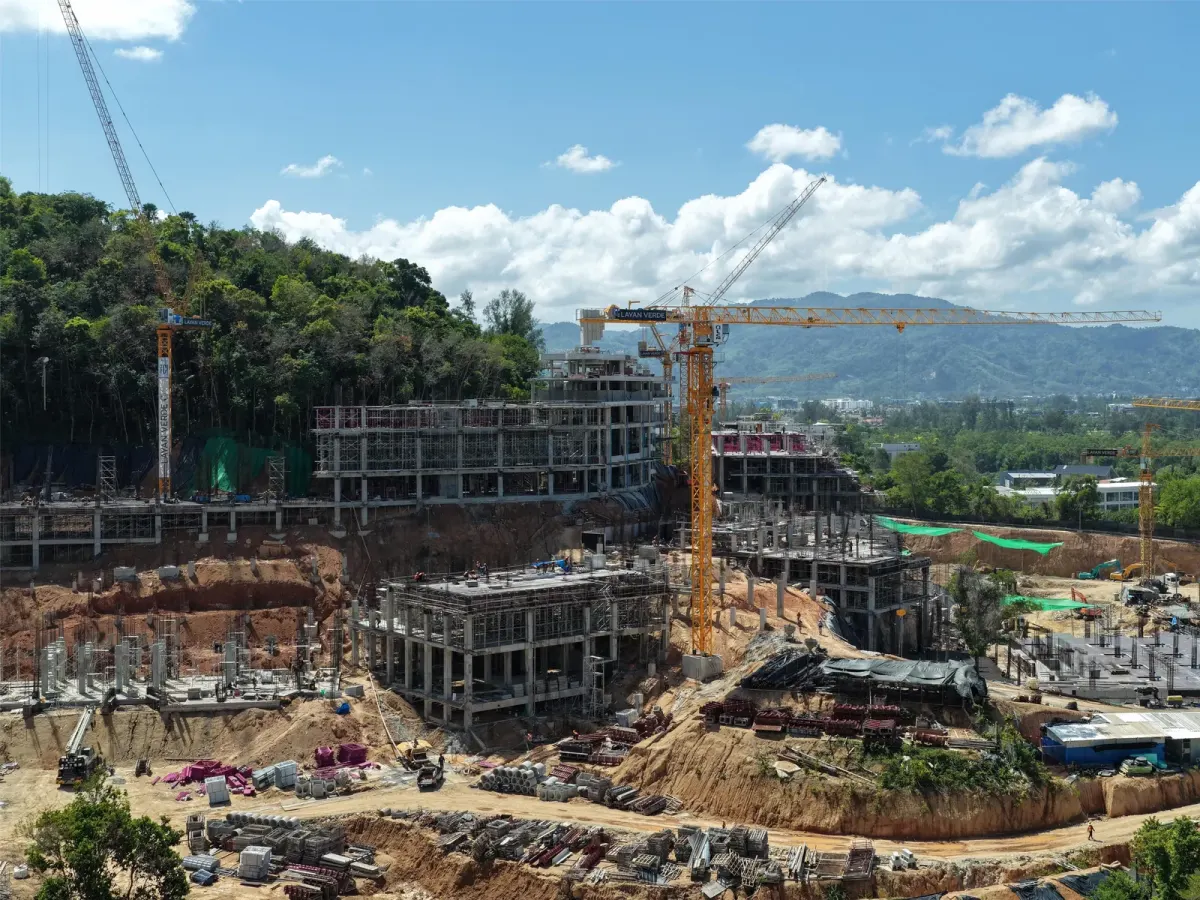
Remote ownership still requires careful document review. Buyer guidance in the materials emphasizes checking legal details, collecting floor plans, site maps, and warranty covenants, and, where possible, reviewing construction progress. Foreign buyers should also pay close attention to condominium ownership rules because land ownership is restricted.
Before relying on rental income, read the rental pool terms in detail. Confirm how your unit type is pooled, how costs are deducted, how net profit is calculated, when accounting periods close, and how distributions are handled. Also confirm the exact rules for the 30-day owner-use reserve and whether any additional personal-use flexibility applies.
Marketing materials refer to rental demand, revenue growth with professional management, and occupancy schedules, but these should be treated as project claims subject to contract terms and market conditions. Any return, tax, or legal question should be reviewed with your own qualified advisers before you commit.