
Phuket property payment plan questions
What this page covers
Phuket property payment plan questions
A Phuket property payment plan should be reviewed as part of the written purchase documents, not as a stand-alone promise. Ask how installments, escrow terms, and handover timing are defined.
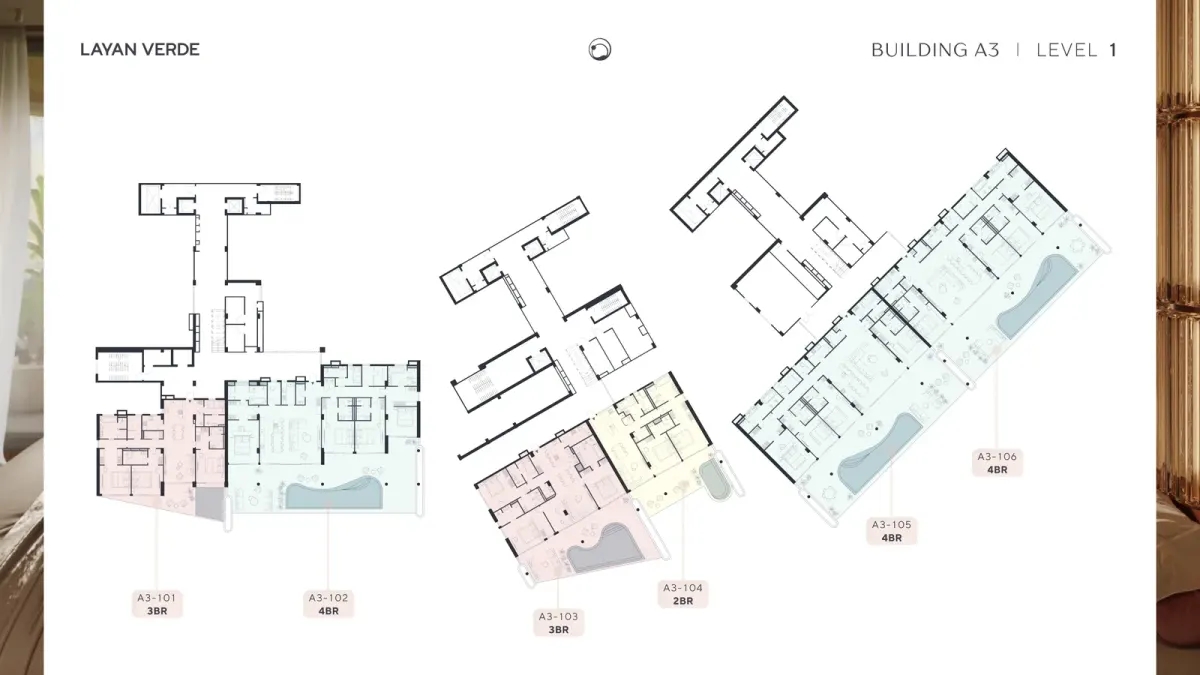
Marketing visuals and layouts may be approximate, and a developer may reserve the right to make changes under applicable law. Your contract should explain how those points affect payments.
In brief
- Ask for a clear installment schedule that states each payment amount, due date or trigger, and how each payment connects to construction progress and final handover.
- Clarify escrow terms, fund release rules, delay penalties, grace periods, and remedies before you sign, especially if you will manage payments from abroad.
- Treat promotional claims, layouts, visuals, and incentive offers as subject to the written contract, and consider independent legal review before relying on them.
What to do
Start with the payment schedule itself. The key questions are practical: what is due, when it is due, what event triggers the payment, and what documents confirm that the trigger has been met. This matters when a US buyer is coordinating transfers, Thai baht payments, and currency exposure from outside Thailand.
Then compare the payment schedule with the handover and change clauses. Project wording may state that visualizations and layouts are approximate and that the developer may make changes in line with applicable legislation. You need to know whether permitted changes affect your payment duties, inspection rights, or handover expectations.
Finally, review the safeguards around the transaction. Phuket property buyer guidance points to checking escrow terms, legal details, floor plans, site maps, warranty covenants, and final handover terms. A licensed lawyer can help interpret the contract, but the goal is simple: every payment obligation should be written clearly before funds are committed.
What to keep in mind
For foreign buyers, Phuket property research should include legal verification, not only project marketing. Foreigners face restrictions on land ownership in Thailand, so many buyers focus on condominium structures and confirm ownership details through official documents and qualified advisors.
Payment-plan due diligence is not only about affordability. Buyers should clarify the installment schedule, escrow conditions, final handover date, and any penalty or remedy for delay. Where possible, they should also review construction progress, floor plans, site maps, and warranty covenants.
Promotional claims, including rental-return statements or incentives, should be treated as claims subject to terms and possible legal review. A property purchase also does not automatically grant residency or a visa, so payment, ownership, tax, and immigration questions should be checked separately with appropriate professionals or official sources.